
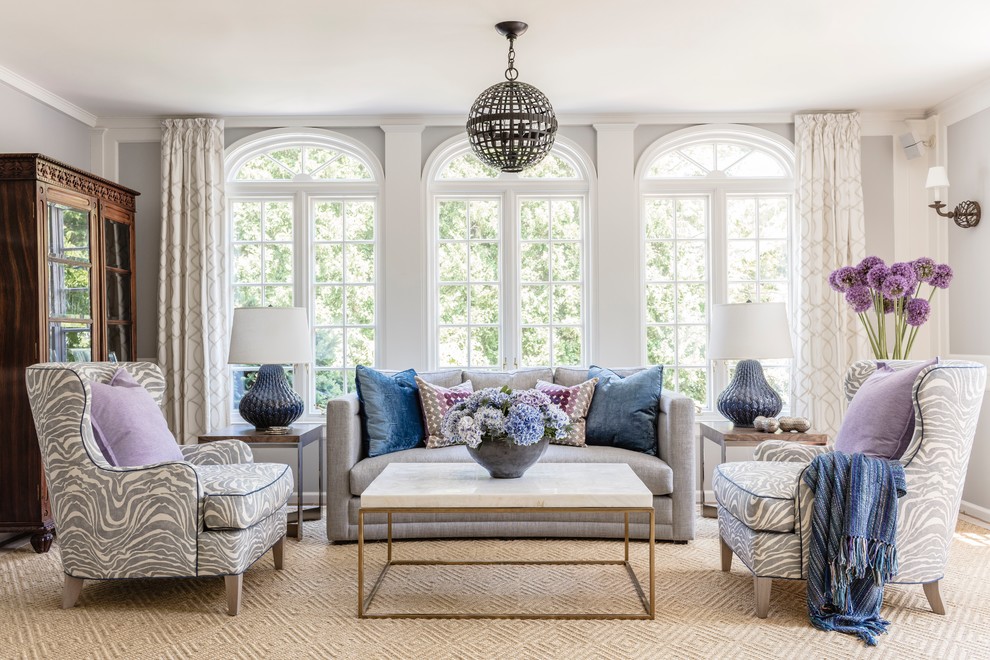
Walk into a well-arranged room and you barely notice the furniture—you just move through it effortlessly. Walk into a poorly arranged one and you’ll discover yourself squeezing past a chair, bumping a coffee table corner, or taking an oddly long route to reach the couch. That friction is intentional, and so is its absence.
Furniture arrangement is one of the most underestimated aspects of interior design. Most people focus on aesthetics—picking the right colors, the right materials, the right style—without considering how a room actually functions when people use it. Traffic flow is what connects a room that looks good in a photo to one that genuinely works in real life. This guide walks you through every stage of the process, from understanding the principles behind good flow to testing your final layout.
Understanding Traffic Flow Principles
Traffic flow refers to how people move through a space—the natural paths they take from one point to another. In any room, there are primary pathways (the routes people use constantly, like from the door to the seating area) and secondary pathways (less frequent routes, like reaching a bookshelf). Good furniture arrangement respects both.
The foundational rule is clearance: pathways should be at least 36 inches wide for comfortable single-file movement and ideally 48 inches or more in high-traffic areas. Furniture that encroaches on these corridors creates what designers call “pinch points”—spots where movement slows or becomes uncomfortable. Eliminating pinch points is the single most effective thing you can do to improve how a room feels to use.
Assessing Your Space and Existing Layout
Before moving a single piece of furniture, spend time observing how you actually use the room. Where do people naturally walk when they enter? Where do they tend to gather? Which paths get used most often?
Sketch a rough floor plan with accurate measurements, marking the locations of doors, windows, and any fixed elements like fireplaces or built-in shelving. Note where each door swings open, since a door that swings into a room needs clear space around it. This step reveals constraints that aren’t always obvious at first glance and prevents you from committing to an arrangement that blocks natural entry points.
Defining Pathways and Zones
Every room serves multiple purposes, and zoning—dividing the space into functional areas—helps clarify where furniture should and shouldn’t go. A living room might have a conversation zone, a reading nook, and a media-viewing area. Defining these zones first gives you a framework before any furniture is moved.
Once zones are established, mark out the pathways that connect them. These corridors are non-negotiable—no furniture should permanently occupy them. Think of the pathways as the skeleton of the room; everything else is built around them, not the other way around.
Arranging Key Furniture Pieces
Large anchor pieces—sofas, beds, dining tables, desks—should be placed first. These items define the zones you’ve mapped out and have the most impact on traffic flow. A common mistake is pushing all large furniture against the walls, which actually tends to disrupt flow rather than improve it. Floating a sofa a few feet from the wall, for example, creates a more defined conversation area and often opens up the room’s pathways.
Position anchor pieces so they face the room’s focal point (a fireplace, a window, or a television) without blocking doorways or creating awkward bottlenecks. In bedrooms, the bed should allow access from at least two sides with roughly 24 to 30 inches of clearance on each.
Incorporating Smaller Furniture and Accessories
Once anchor pieces are in place, layer in the smaller items: armchairs, side tables, ottomans, and shelving units. These pieces should support the zones you’ve defined without fragmenting the pathways between them.
Coffee tables are a common culprit for poor flow. They should be close enough to the sofa to be useful (roughly 18 inches away) but not so large that they obstruct movement through the room. Ottomans with storage can double as flexible seating that’s easy to move when more space is needed. Every piece you add should earn its place by serving a clear function within its zone.
Considering Ergonomics and Comfort
Flow isn’t only about movement—it’s also about how people feel when they stop moving. Ergonomics plays a significant role here. Seats should face each other at an angle that encourages conversation without requiring people to crane their necks. Dining chairs need enough room to be pulled out comfortably (allow at least 36 inches between the table edge and the wall or nearest furniture).
The height relationships between pieces matter too. A side table that’s level with the arm of a sofa is ergonomically sound; one that’s significantly higher or lower creates a subtle but constant inconvenience. These small mismatches accumulate into a room that feels effortful to use, even when the layout appears fine on paper.
Lighting and Its Impact on Flow
Lighting shapes perception of space and subtly guides how people move through it. Bright overhead lighting flattens a room and draws equal attention to every corner, while layered lighting—combining ambient, task, and accent sources—can emphasize zones and make pathways feel more intuitive.
Floor lamps positioned near seating areas reinforce the boundaries of a zone without taking up table space. Pendant lights above a dining table anchor that zone visually. When lighting is coordinated with furniture placement, it reinforces the layout rather than contradicting it—making the room easier to navigate even subconsciously.
Common Mistakes to Avoid
Blocking doorways even partially is one of the most disruptive errors in furniture arrangement, yet it happens frequently when people prioritize aesthetics over function. Equally problematic is placing furniture so that it creates a single, narrow corridor through the room—forcing everyone to follow the same rigid path rather than moving freely.
Over-furnishing is another widespread issue. More furniture doesn’t mean more comfort; it often means less usable space. If a room feels cramped after rearranging, removing one or two pieces is usually more effective than repositioning everything. Rugs also deserve attention—an undersized rug that only catches the front legs of a sofa can visually fragment a zone and make the arrangement feel unresolved.
Testing and Refining Your Layout
No arrangement is perfect on the first attempt. Once you’ve positioned everything, walk through the room the way you normally would—from the entrance to the seating area, from the seating area to the kitchen, and so on. Notice where you instinctively want to walk and whether the furniture allows it.
Ask someone else to do the same. People navigate space differently, and a fresh set of eyes often reveals pinch points or awkward angles you’ve stopped noticing. Give the layout a few days before making final decisions; first impressions of a new arrangement can be misleading as you adjust to the change.
Achieving a Harmonious and Functional Space
A well-arranged room rewards you every time you use it. Movement feels natural, conversations happen easily, and the space supports whatever you’re doing rather than working against it. That’s the real goal—not a room that photographs well, but one that genuinely serves the people in it.
Start with the principles, trust the process of iteration, and don’t be afraid to remove pieces that aren’t earning their place. The best furniture arrangements tend to be the simplest ones.
FAQs
1. What is the minimum pathway width for comfortable furniture traffic flow?
Interior designers typically recommend a minimum of 36 inches for single-file movement and at least 48 inches in high-traffic zones such as main hallways and frequently used corridors. Narrower passages create pinch points that make a room feel cramped and difficult to navigate.
2. Should furniture be placed against the walls to improve traffic flow?
Pushing all furniture against the walls is a common instinct, but it usually hurts rather than helps traffic flow. Floating anchor pieces like sofas away from walls helps define functional zones and often creates clearer, more intuitive pathways through the room.
3. How do I arrange furniture in a small room without blocking traffic flow?
In small rooms, prioritize multi-functional furniture (such as storage ottomans), choose pieces scaled to the space, and resist the urge to fill every corner. Define one primary pathway and keep it completely clear. Removing even one unnecessary piece often has a more dramatic effect than rearranging what’s already there.
4. How does rug size affect traffic flow in a room?
An undersized rug can visually fragment a seating zone, making the arrangement feel disjointed. Ideally, a rug should sit under all the front legs of the seating furniture at minimum or beneath the entire grouping. A properly sized rug anchors the zone and reinforces the boundaries that guide natural movement.
5. How do I know if my furniture arrangement has optimal traffic flow?
Walk through the room following your normal daily routines. If you move naturally without consciously redirecting yourself, the flow is working. If you find yourself turning sideways, taking unusual detours, or bumping into furniture, those are signs that the arrangement needs adjustment. Having another person walk through the space independently often reveals issues you’ve become accustomed to.

Elena Rodriguez is a certified home inspector and DIY educator specializing in maintenance routines, home repairs, decor optimization, office setup, and smart device integration. She helps homeowners tackle projects with confidence using tools they already own. Her writing focuses on actionable steps for cleaning, fixing, arranging, and automating. Elena holds a degree in Construction Management and contributes to home improvement resources regularly.