
Winter can be beautiful, but there’s nothing cozy about feeling cold drafts sneaking into your home. Cold air gaps make your rooms uncomfortable and drive up energy bills. Learning how to seal gaps that let cold air inside is one of the easiest ways to stay warm and save money. This guide will walk you through practical solutions, tips, and tricks to make your home snug and energy-efficient.
Understanding Why Cold Air Gets In
Before sealing gaps, it helps to understand why cold air infiltrates your home. Most homes have natural weak spots where outdoor air can sneak in. Common culprits include doors, windows, attics, and vents. Even tiny cracks around window frames or under doors can let a surprising amount of cold air inside. Over time, these leaks make your heating system work harder, increasing energy bills and reducing comfort.
Cold air often enters through areas that seem perfectly sealed at first glance. Gaps in insulation, worn weatherstripping, or deteriorated caulk can create invisible pathways for drafts. Identifying these spots is the first step in effective weatherproofing.
Identifying the Drafts in Your Home
Finding the exact places where cold air enters is key to sealing your home effectively. Start by walking around your home on a windy day. Move slowly and pay attention to areas where you feel a noticeable breeze. Common draft points include window sills, door frames, baseboards, electrical outlets, and even the corners of your ceiling.
Another method is to use a candle or incense stick near potential gaps. If the flame flickers or the smoke sways, you’ve found a leak. A thermal camera can reveal cold spots in your walls or windows, providing a more tech-savvy approach. Knowing where the gaps are allows you to apply the right sealing technique for each area.
Weatherstripping Doors and Windows
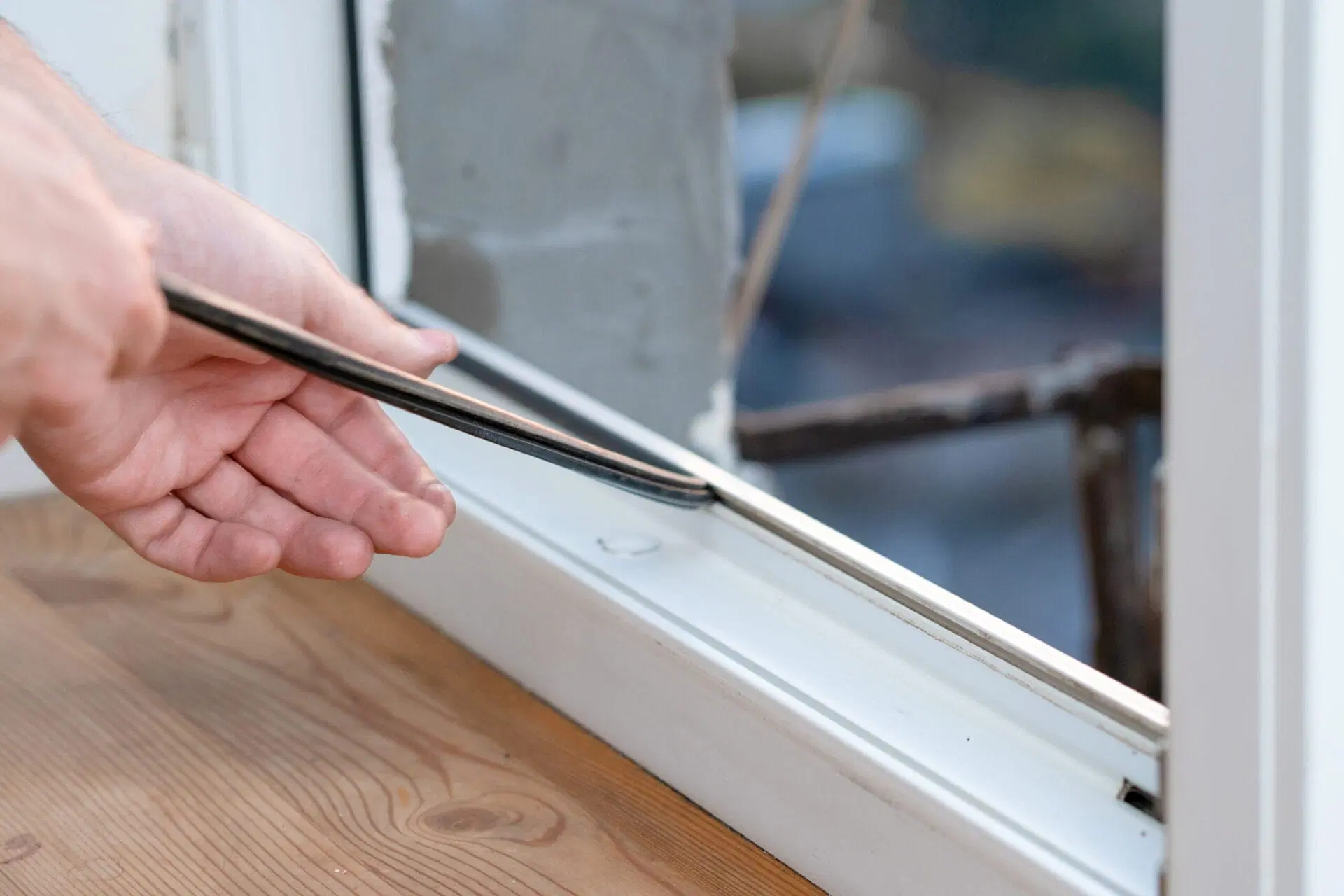
Weatherstripping is one of the simplest and most effective ways to block cold air. It involves adding a flexible barrier around doors and windows to create a tight seal. There are various types of weatherstripping, including foam tape, V-strip, felt, and rubber gaskets.
To install weatherstripping, clean the surface thoroughly first. Remove dirt and old adhesive to ensure a proper bond. Apply the strip evenly along the frame where the door or window meets the sill. Close the door or window to check that it fits snugly without forcing it. Properly installed weatherstripping can reduce drafts immediately and is inexpensive compared to larger home repairs.
Using Caulk for Permanent Gaps
While weatherstripping works for movable parts, stationary cracks and gaps require caulk. Caulk is a sealant that fills tiny cracks around windows, doors, and baseboards. Choose a high-quality, paintable caulk for interior gaps. For exterior gaps, opt for a weather-resistant silicone or polyurethane caulk.
Apply caulk with a steady hand along the crack, smoothing it with your finger or a caulk tool. Allow it to dry according to the manufacturer’s instructions. Caulking is especially useful for sealing gaps in older homes where wooden frames may have shrunk over time, preventing drafts from sneaking in.
Installing Door Sweeps and Draft Stoppers
Cold air often enters under doors, and sealing this gap can make a big difference. Door sweeps are long strips of rubber or brush material attached to the bottom of doors. They block air without affecting the door’s movement. Alternatively, a draft stopper, often a fabric tube filled with insulation material, can be placed at the base of the door.
Door sweeps are ideal for exterior doors, while draft stoppers work well for interior doors that separate heated and unheated areas. Both options are affordable, easy to install, and effective in keeping cold air out.
Sealing Gaps Around Electrical Outlets and Switches
Even small areas like electrical outlets can be sources of drafts. Cold air can sneak in behind outlet boxes, especially on exterior walls. To seal these gaps, use foam gaskets specifically designed for outlets and switch plates. Simply turn off the power, remove the cover, place the gasket behind it, and reattach the plate.
This minor step improves overall comfort and reduces heat loss. For older homes with multiple outlets on exterior walls, sealing them all can have a noticeable impact on warmth and energy efficiency.
Insulating Attics, Basements, and Crawl Spaces
Some drafts are harder to see but equally important to seal. Attics, basements, and crawl spaces are major sources of cold air infiltration. Adding insulation in these areas not only blocks cold air but also improves your home’s energy efficiency.
In attics, check for gaps around roof vents, chimneys, and attic hatches. Use caulk or spray foam to fill small cracks, and add batt or blown-in insulation for larger spaces. In basements and crawl spaces, seal rim joists and gaps around pipes or vents with spray foam or rigid insulation boards. Proper insulation creates a continuous barrier against cold air, making your home warmer year-round.
Temporary Solutions for Extreme Cold
Sometimes, permanent fixes take time or budget, and temporary solutions can help during extreme cold spells. Plastic window film can reduce drafts in older windows. Simply apply it to the frame using double-sided tape and heat it with a hairdryer to shrink it tight.
Heavy curtains or thermal drapes also add an extra layer of protection. They prevent cold air from entering and warm air from escaping through windows. While these measures aren’t permanent, they’re quick, inexpensive ways to make your home more comfortable immediately.
Maintaining Your Seals
Sealing gaps isn’t a one-time task. Weatherstripping, caulk, and door sweeps can wear out over time. Inspect your seals every year, preferably before winter, to ensure they remain effective. Replace any worn or damaged materials promptly. Regular maintenance keeps your home draft-free, reduces energy costs, and prolongs the lifespan of your heating system.
Practical Tips for a Draft-Free Home
Beyond sealing individual gaps, consider holistic strategies. Keep doors and windows closed tightly during cold weather. Avoid leaving attic hatches open, and ensure vents are properly covered. Regularly check for new cracks as your home settles over time. Using a combination of weatherstripping, caulking, insulation, and temporary solutions creates a comprehensive defense against cold air.
Small adjustments like rearranging furniture to block drafts or adding rugs over cold floors can also improve comfort. Every step you take adds up to a warmer, more energy-efficient home.
Conclusion
Cold air leaks are a common problem, but with the right techniques, you can significantly improve home comfort. By identifying drafts, using weatherstripping, caulk, door sweeps, and insulation, you create a barrier that keeps cold air out and warmth in. Regular maintenance and smart temporary solutions ensure your home stays cozy through winter. Start sealing gaps today, and enjoy a warmer, more energy-efficient home without the high costs.
FAQs
Q: How can I quickly find where cold air is entering my home?
Walk around on a windy day and feel for drafts near doors, windows, and baseboards. Using a candle or incense stick can help visualize airflow.
Q: Can I seal all drafts myself, or do I need a professional?
Most small gaps can be sealed with weatherstripping, caulk, or door sweeps. Large insulation projects may require professional help.
Q: What’s the best type of caulk for indoor gaps?
Use a paintable, flexible caulk for interior gaps, such as acrylic latex caulk. Silicone-based caulk is better for exterior areas exposed to weather.
Q: Are temporary solutions like plastic window film effective?
Yes, they provide short-term insulation for windows and can reduce drafts until permanent solutions are applied.
Q: How often should I replace weatherstripping and door sweeps?
Check them annually. Replace any materials that are cracked, worn, or no longer seal tightly.
Q: Does sealing drafts really save money on heating bills?
Absolutely. Even small gaps can let a significant amount of heat escape. Sealing them reduces energy use and lowers heating costs.

Elena Rodriguez is a certified home inspector and DIY educator specializing in maintenance routines, home repairs, decor optimization, office setup, and smart device integration. She helps homeowners tackle projects with confidence using tools they already own. Her writing focuses on actionable steps for cleaning, fixing, arranging, and automating. Elena holds a degree in Construction Management and contributes to home improvement resources regularly.