
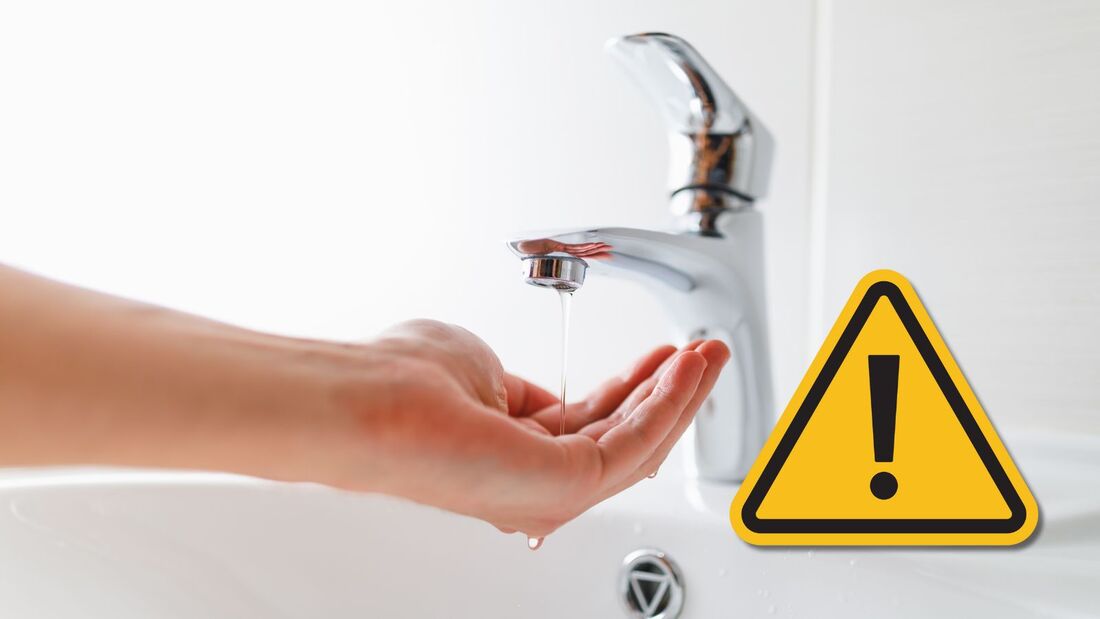
Owning a home comes with a range of responsibilities, and the plumbing system is often one of the components homeowners easily overlook. A leaking faucet or a clogged drain might seem like a minor inconvenience, but homeowners often ignore a warning sign from their plumbing system that can lead to serious damage and expensive repairs. By recognizing and addressing these warning signs early, you can save money, protect your property, and prevent unnecessary problems. In this article, we discuss warning signs, causes, and practical solutions that every homeowner should know.
Persistently Low Water Pressure
Low water pressure is often considered a minor inconvenience that will resolve itself, but it can indicate a more serious underlying problem. If you notice that the water pressure from your faucets is lower than normal, the issue could be due to clogged pipes, pipe corrosion, or leaks in the plumbing system. Mineral deposits in hard water, especially in older homes, can further impede water flow. Ignoring this warning signal can lead to more serious damage, such as burst pipes or reduced efficiency of water-consuming appliances like washing machines and dishwashers. As a homeowner, it is important to check your taps for clogged aerators, inspect visible pipes for leaks, and hire a certified plumber to inspect your plumbing system.
Unexplained Increases in Water Bills
Many households do not recognize a sudden rise in their water bill as a significant warning signal, especially when water usage remains constant. Leaks in pipes in walls, under floors, or in the garden can waste hundreds of liters of water monthly without being noticed. Even a small hole in a pipe can lead to high water bills over time. Check your water bill regularly and compare it to your monthly water usage to detect discrepancies early. If you notice a sudden rise in your water bill, check for leaks, monitor your meter readings, and consider hiring a professional leak detection company to prevent further damage and exorbitant costs.
Water Color
Water discoloration is another often overlooked warning sign. Brown, yellow, or red water indicates rust in old pipes or sludge buildup in the plumbing system. Water discoloration is not only an aesthetic issue but can also damage pipes and affect water quality. Never ignore persistent water discoloration; it can be a sign of damaged pipes requiring replacement. To ensure the safe and efficient operation of your plumbing system, homeowners should regularly check water quality, clean faucet aerators, and replace corroded pipes if necessary.
Unusual Noises from Pipes
Many households are accustomed to the occasional noise from the pipes, but persistent banging, bubbling, or whistling sounds should not be ignored. These noises, also known as “water hammer” or pipe vibrations, can be caused by loose or improperly installed pipes, excessive water pressure, or blockages in the plumbing system. If these problems are not addressed, they can lead to pipe bursts, leaks, or damage to the plumbing system. Solutions include installing water hammer dampers, tightening loose pipes, or lowering the pressure regulator. Early detection of these unusual noises can prevent costly pipe repairs later on.
Recurring Blockages and Slow Drainage
Slow drainage is a common warning sign that many homeowners easily overlook, assuming it is merely a temporary inconvenience. However, poor drainage usually indicates a clogged drain, which can be caused by hair, grease, or other foreign objects. If left untreated, blockages can lead to sewage backflow, unpleasant odors, and even damage to the pipes. Preventive measures include installing drain filters, avoiding pouring oil down the sink, and regularly cleaning the pipes with a safe cleaning agent. In extreme cases, it may be necessary to call in a professional plumbing company to unclog the pipes and prevent future problems.
Leaks or Other Visible Damage
The most obvious signs of plumbing problems are visible leaks, water buildup, or water spots, but these are often difficult to detect until the situation becomes severe. Water stains under walls or floors can weaken the structure, promote mold growth, and lead to costly repairs. Homeowners should regularly check for leaks around toilets, sinks, and appliances. It is crucial to address these issues quickly, for example, by tightening connections, replacing broken fittings, or consulting a professional plumber. Paying timely attention to these problems helps prevent long-term damage and ensures a safe living environment.
Odors
Unpleasant odors from drains or faucets can be a sign of plumbing problems. These odors are often caused by standing water, sewer issues, or bacterial growth in the pipes. Ignoring these odors can worsen the situation and create a dirty and unpleasant living environment. Homeowners can regularly clean siphons, maintain drains, and inspect sewer lines. Any persistent or strong odor should be investigated and remedied by a professional plumber.
Mold Formation
Mold formation in bathrooms, kitchens, or basements is often caused by hidden leaks or excessive moisture, indicating a problem with your plumbing system. A constantly damp environment promotes the growth of microorganisms that can damage walls, floors, and furniture and affect indoor air quality. Homeowners should watch out for unusually damp spots, musty odors, and discoloration. Repair leaks immediately, improve ventilation, and use a damp-proofing layer to prevent mold formation and protect your property and health.
Age of the Plumbing System
Older plumbing systems are more susceptible to leaks, corrosion, and pipe bursts. If your home’s plumbing system has been in use for decades, pay close attention to signs of wear, such as the warning signs mentioned above. Aging pipes do not fail suddenly; they also reduce water quality and efficiency. Upgrading components of the plumbing system or replacing old pipes can prevent plumbing problems and extend the lifespan of your home’s plumbing infrastructure.
Summary
Many homeowners ignore subtle warning signs from their plumbing system, assuming that these minor problems will disappear on their own. Ignoring these symptoms, such as low water pressure, unusual noises, leaks, and mold, can lead to expensive repairs and an unhealthy living environment. Regular inspections, timely maintenance, and prompt attention to minor issues can prevent serious plumbing problems. Recognizing and addressing these warning signs is essential for a safe, efficient, and comfortable home.
Frequently Asked Questions
1. How do I know if low water pressure is a serious plumbing problem?
Check multiple faucets. If all your faucets have low water pressure, this could be due to corrosion in the pipes, leaks, or blockages. In that case, a professional inspection is necessary.
2. What should I do if my water bill suddenly rises?
Check for leaks, inspect the water meter for anomalies, and consider hiring a professional leak detection service to locate hidden problems.
3. What causes water to discolor?
Discoloration is usually caused by rust or sediment. Generally, this is not a problem, but it can damage pipe fittings and indicates that the pipes are aging. A water quality test is recommended.
4. Why do my pipes make a knocking sound?
Water hammer, which sounds like banging or bubbling noises, is likely caused by excessive water pressure or leaking pipes. The solution is to install a check valve or reinforce the pipes.
5. How do I prevent mold growth in pipes?
Repair leaks immediately, improve air circulation in damp areas, and apply a moisture-resistant coating to reduce the conditions that promote mold growth.
6. When should I replace my pipes?
If the pipes in your home are older than 50 years or regularly leak, corrode, or have low water pressure, replacement may be more cost-effective than continuous repairs.

Elena Rodriguez is a certified home inspector and DIY educator specializing in maintenance routines, home repairs, decor optimization, office setup, and smart device integration. She helps homeowners tackle projects with confidence using tools they already own. Her writing focuses on actionable steps for cleaning, fixing, arranging, and automating. Elena holds a degree in Construction Management and contributes to home improvement resources regularly.