
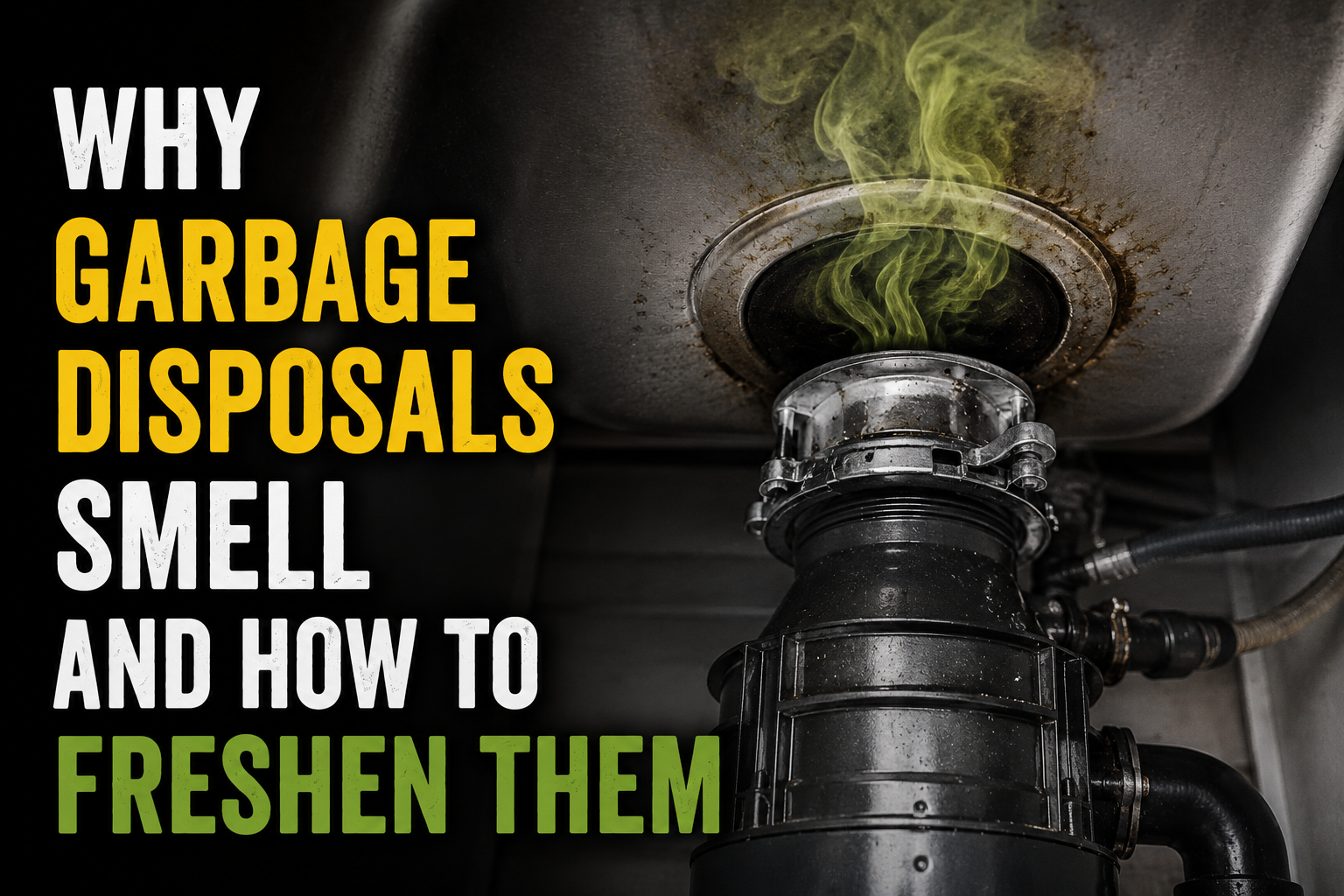
You walk into the kitchen and it hits you. Not the smell of last night’s dinner or the trash that needs to go out. Something worse. A sour, rotten odor that seems to come from the sink itself. You run the water. You spray air freshener. The smell returns within the hour. Your garbage disposal—the appliance that is supposed to make kitchen cleanup easier—has become a source of embarrassment every time someone visits.
Garbage disposal odors are not random. They are the predictable result of four specific problems that develop in every unit over time. The good news is that each problem has a straightforward solution. The better news is that most solutions use ingredients already in your kitchen. You do not need special equipment or professional help to restore a fresh-smelling sink. You need to understand what is causing the smell and match the fix to the source.
Cause 1: Trapped Food Debris
The most common source of disposal odor is also the most obvious. Food particles that do not get fully ground or flushed away become trapped in the grinding chamber, under the rubber splash guard, and in the drain line immediately below the unit. Over time, these particles decompose, producing the unmistakable smell of rotting organic matter. Unlike a regular sink drain that only handles water, a disposal processes food waste, creating far more opportunities for buildup.
Certain foods are worse than others. Fish, eggs, and dairy products produce particularly strong odors as they break down because they contain proteins and fats that bacteria digest rapidly. Fibrous vegetables like celery and onion skins can wrap around the blades instead of grinding, leaving chunks that sit and rot. Starchy foods like pasta and potato peels turn into a paste that coats the interior walls and traps subsequent debris. Coffee grounds seem to grind fine but accumulate in the P-trap and pipes, creating a sludge that harbors bacteria.
The fix starts with a deep clean of the grinding chamber. Fill the disposal with two cups of ice cubes and one cup of rock salt or coarse kosher salt. Run cold water and activate the disposal. The ice acts as a scrubbing agent, knocking debris loose from the blades and walls. The salt provides abrasive action that breaks down greasy buildup. The cold water hardens any fats, making them easier to grind and flush away. Run the disposal until the ice is completely gone, then continue running cold water for 30 seconds to flush the loosened debris through the drain line.
Cause 2: Grease and Fat Accumulation
Fats, oils, and grease should never go down a garbage disposal, yet most homeowners pour them in anyway. When hot grease hits the cool water in the disposal, it congeals and coats the blades, the interior walls, and the drain pipe. This sticky layer traps food particles, creates a breeding ground for bacteria, and produces rancid odors that no amount of water flushing will remove. The grease also restricts water flow, which means subsequent debris is more likely to accumulate instead of washing away.
The baking soda and vinegar method is the standard fix for greasy buildup. Pour half a cup of baking soda into the disposal and let it sit for 30 minutes. The baking soda absorbs odors and begins to break down the grease. Then pour one cup of white vinegar into the disposal. The mixture will fizz vigorously, creating a chemical reaction that dissolves the fatty deposits. Let it work for 10 minutes, then flush with hot water while running the disposal for 20 seconds. The hot water melts any remaining grease and carries it down the drain. For severe buildup, repeat this process twice.
Prevention is simpler than cure. Pour grease into a disposable container, let it solidify, and throw it in the trash. Wipe greasy pans with a paper towel before rinsing. These two habits eliminate the primary cause of disposal odor before it starts.
The Splash Guard Secret
The rubber splash guard—the flappy piece at the drain opening—is where most disposal odors hide. Food particles and biofilm accumulate on the underside of the rubber flaps where you cannot see them. Turn off the power at the breaker. Lift each flap and scrub the underside with a toothbrush and dish soap. The amount of grime you find will explain why your sink smells despite regular cleaning of the visible parts. This single step eliminates more odor than any other method.
Cause 3: Bacteria and Biofilm
Even when visible debris is gone, microscopic bacteria can colonize the disposal interior and create a persistent musty smell. These bacteria form biofilm—a slimy layer that adheres to surfaces and resists standard cleaning. Biofilm is the reason some disposals smell clean immediately after treatment but develop odor again within a few days. The surface looks clean, but the bacterial colony remains intact and continues to multiply.
Citrus peels are the natural enemy of biofilm. The citric acid in lemon, lime, and orange peels breaks down the organic matrix that holds biofilm together. The essential oils leave a fresh scent that masks any remaining odor. Cut the peels into small pieces, drop them into the disposal with cold water running, and grind them thoroughly. The acid sanitizes while the oils deodorize. This method is safe for all disposal types and can be used weekly as maintenance. For a stronger treatment, freeze citrus peels in ice cube trays filled with vinegar. Grind the frozen cubes—the extended contact time and the combined acid power of citrus and vinegar attack biofilm more aggressively than either ingredient alone.
Cause 4: The Dry P-Trap
Sometimes the smell is not coming from the disposal at all. It is coming from the sewer. The P-trap is the curved section of pipe beneath your sink that holds a small amount of water, creating a seal that prevents sewer gases from rising into your home. If your disposal is not used frequently—or if you have been away from home for several days—the water in the P-trap can evaporate. Once the seal is broken, sewer gases flow freely up through the drain, creating a smell that is often mistaken for a dirty disposal.
The fix is instantaneous. Run water down the disposal for 30 seconds. This refills the P-trap and restores the seal. If the smell disappears immediately, the P-trap was the culprit. To prevent future evaporation, run the disposal briefly every few days even if you are not grinding food. The water flow keeps the trap full and the seal intact. If you will be away for an extended period, pour a tablespoon of mineral oil into the drain. The oil sits on top of the water and slows evaporation by 50% or more.
The Cleaning Method Ladder
Not every disposal needs the same treatment. Match your method to the severity of the odor and the time you have available.
| Odor Level | Best Method | Time Required |
|---|---|---|
| Light, occasional smell | Citrus peels with cold water | 2 minutes |
| Moderate, persistent odor | Baking soda + vinegar, then ice + salt scrub | 15 minutes |
| Severe, sewage-like smell | Deep clean: splash guard scrub + baking soda soak + ice/salt + citrus finish | 30 minutes |
| Smell returns within days | Check P-trap for dryness; clean weekly; consider disposal replacement if unit is over 10 years old | Varies |
What Never to Put Down the Disposal
Prevention is easier than cure. Avoid these items entirely to eliminate the most common odor sources:
- Grease and oil: They congeal and coat the interior, trapping future debris.
- Coffee grounds: They accumulate in pipes and create a sludge that harbors bacteria.
- Eggshells: The membrane can wrap around blades, and the shells grind into sand that clogs pipes.
- Pasta and rice: They expand with water and turn into a starchy paste that blocks drainage.
- Fibrous vegetables: Celery, corn husks, and onion skins wrap around blades instead of grinding.
- Bones and pits: They damage blades and often fail to grind completely, leaving chunks to rot.
- Bleach and drain cleaners: These corrosive chemicals damage disposal components and can create dangerous reactions with grease. They are not cleaning solutions—they are destruction agents.
The Maintenance Schedule
A disposal that is cleaned regularly never develops severe odor. The key is consistency, not intensity.
Weekly: Grind citrus peels or run a handful of ice cubes through the disposal with cold water. This takes 30 seconds and prevents buildup from taking hold.
Monthly: Perform the baking soda and vinegar treatment followed by the ice and salt scrub. This deep clean removes any accumulation that the weekly maintenance missed.
Quarterly: Scrub the underside of the splash guard with a toothbrush and dish soap. This is the most overlooked step and the one that makes the biggest difference in persistent odor cases.
After every use: Run cold water for 10 seconds after the grinding stops. This flushes remaining particles through the drain line before they can settle and decompose. The extra water costs nothing. The avoided odor saves embarrassment.
When to Replace the Disposal
If odors persist after thorough cleaning, the disposal may have failing internal seals that allow water and waste to leak into the motor housing. Rust buildup, corrosion inside the grinding chamber, or leaks beneath the unit are signs that cleaning will no longer help. Most garbage disposals last 10 to 15 years. If yours is older and smells persist despite your best efforts, replacement is the only solution. A new unit is cheaper than the cumulative cost of failed cleaning attempts and the frustration of a permanently stinky kitchen.
Related Articles
- Why Grout Darkens Even After Regular Mopping
- How to Clean Gutters Safely Without a Tall Ladder
- Refrigerator Coils Collect Dust and Raise Your Bill
- Simple Guide to Washing Machine Care for Longer Use
- Easy Ways to Remove Hard Water Marks From Glass
- How to Clean Air Vents Without Spreading Dust Around
- Common Reasons Laundry Feels Damp After Drying Fully
Sources and References
- Affresh. “Garbage Disposal Smells: Causes & Fixes.” December 19, 2025. https://www.affresh.com/knowledge-hub/garbage-disposal-smells-causes-fixes/
- Bedrock Plumbing. “Why Does My Garbage Disposal Smell Like Sewage and How Do I Fix It?” January 21, 2026. https://bedrockplumbers.com/why-does-my-garbage-disposal-smell-like-sewage-and-how-do-i-fix-it/
- Anderson Plumbing Heating & Air. “How to Get Rid of Smelly Garbage Disposal Odors.” December 9, 2025. https://www.andersonplumbingheatingandair.com/blog/how-to-get-rid-of-smelly-garbage-disposal-odors/
- Mattioni Plumbing. “DIY Garbage Disposal Cleaning Tips.” October 19, 2025. https://www.callmattioni.com/blog/diy-garbage-disposal-cleaning-tips/
- Bon Appetit. “How to Clean a Garbage Disposal the Easy Way.” February 19, 2023. https://www.bonappetit.com/story/how-to-clean-garbage-disposal
- Blazer Heating, Air, and Plumbing. “Garbage Disposal Smells: Causes & Solutions.” September 11, 2024. https://www.blazerservice.com/about-us/blog/2024/september/garbage-disposal-smells-causes-solutions/
- Mr. Appliance. “What to Do When Your Garbage Disposal Stinks.” March 3, 2026. https://www.mrappliance.com/blog/my-garbage-disposal-stinks-and-its-terrible-/
- Domestic & General. “How to Clean Your Garbage Disposal to Stop It Smelling.” August 15, 2025. https://www.domesticandgeneral.com/us/blog/home-maintenance/how-to-clean-your-garbage-disposal

Elena Rodriguez is a certified home inspector and DIY educator specializing in maintenance routines, home repairs, decor optimization, office setup, and smart device integration. She helps homeowners tackle projects with confidence using tools they already own. Her writing focuses on actionable steps for cleaning, fixing, arranging, and automating. Elena holds a degree in Construction Management and contributes to home improvement resources regularly.