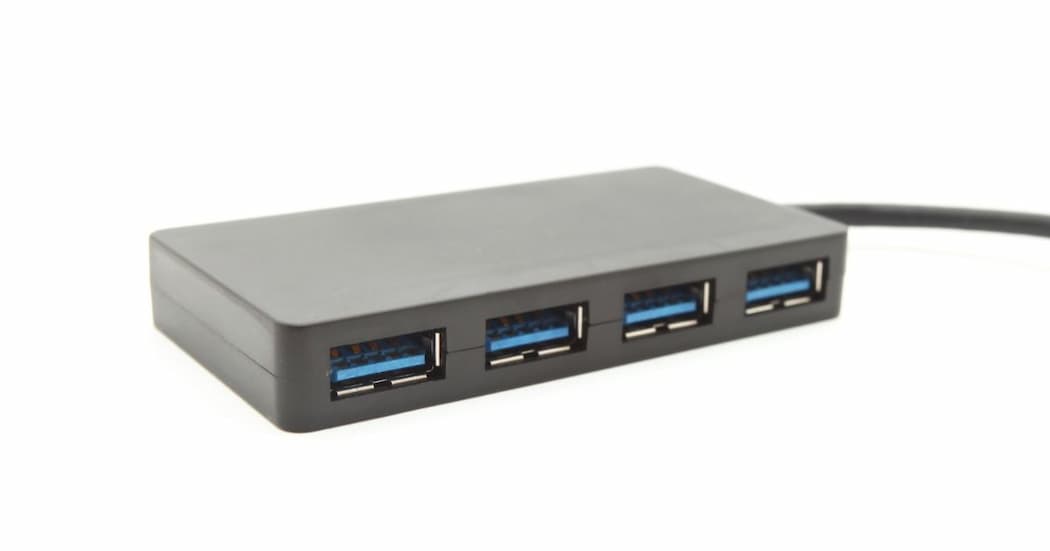
A hub is often described as the central brain of a smart home. It helps different devices communicate with each other and allows automation to work smoothly. Unfortunately, many new users purchase a hub based on marketing claims, low prices, or brand popularity without fully understanding whether it fits their needs.
The result is frustration, compatibility issues, wasted money, and occasionally an entire smart home setup that never performs as expected. Understanding why these issues happen can help you avoid common mistakes and build a more reliable smart home from the beginning.
Many People Buy a Hub Before Planning Their Smart Home
One of the biggest mistakes beginners make is purchasing a hub before deciding which smart devices they actually want to use. It is common to see advertisements promoting a particular ecosystem, leading people to buy the hub first and think about compatibility later.
The problem is that smart home devices use different communication standards. Some rely on Wi-Fi, while others use Zigbee, Z-Wave, Thread, Bluetooth, or proprietary protocols. A hub that works perfectly for one collection of devices may not support another.
Without a clear plan, homeowners often discover that a newly purchased hub cannot fully communicate with a thermostat, smart lock, sensor, or lighting system they later decide to install.
A better approach is identifying the devices you want first and then selecting a hub that supports those products effectively.
Marketing Often Focuses on Features Instead of Compatibility
Many hub manufacturers advertise voice control, automation routines, smartphone access, and integration capabilities. While these features can be useful, they do not always tell the full story.
Compatibility matters far more than a long list of advertised functions. A feature-rich hub provides little value if it cannot connect reliably with important devices in your home.
Beginners frequently assume that all smart devices work together automatically. Unfortunately, the smart home industry still contains numerous ecosystems and standards. Even products labelled as “smart” may have limited compatibility with certain hubs.
This misunderstanding is one of the primary reasons new users end up replacing equipment sooner than expected.
The Cheapest Option Can Become the Most Expensive Choice
Budget-friendly hubs can seem attractive, especially for homeowners trying smart home technology for the first time. However, lower upfront costs do not always translate into better long-term value.
A cheaper hub may lack support for newer communication protocols, receive fewer software updates, or offer limited integration options. As a result, homeowners sometimes find themselves replacing the hub within a few years as their smart home expands.
In contrast, a hub that is slightly more capable may support a wider range of devices and remain useful as technology evolves.
Looking beyond the initial purchase price often helps avoid future expenses caused by unnecessary upgrades.
Not All Smart Home Standards Are the Same
One reason beginners become confused is the growing number of communication standards used throughout the smart home industry.
Some devices connect directly to Wi-Fi. Others use Zigbee, Z-Wave, Thread, Bluetooth, or newer interoperability standards such as Matter. Each approach has advantages and limitations depending on the application.
While homeowners do not need to become technical experts, understanding basic compatibility requirements can prevent major purchasing mistakes.
| Technology | Common Uses |
|---|---|
| Wi-Fi | Cameras, plugs, bulbs, appliances |
| Zigbee | Sensors, lights, switches |
| Z-Wave | Locks, sensors, security devices |
| Thread | Newer smart home devices and automation |
| Matter | Cross-platform device compatibility |
Understanding which standards your preferred devices use can greatly simplify hub selection.
Cloud Dependence Is Often Overlooked
Many first-time buyers pay little attention to how a hub processes automation tasks. Some hubs rely heavily on cloud services, meaning commands travel through external servers before devices respond.
While cloud-based systems can work well, they may introduce delays or become temporarily unavailable during internet outages. In some cases, automations stop functioning when connectivity is interrupted.
Locally controlled hubs often provide faster responses and continue operating even when internet service is unavailable. For homeowners seeking reliability, this factor deserves consideration before making a purchase.
Future Expansion Is Rarely Considered
Many people begin with a few smart bulbs or plugs and assume their setup will remain small. Over time, however, smart home systems often grow.
After adding lighting controls, homeowners frequently explore smart thermostats, security sensors, locks, cameras, blinds, irrigation systems, and energy monitoring devices. A hub that seemed sufficient initially may struggle to support these additions.
Choosing a scalable platform from the beginning can prevent future compatibility headaches and reduce the likelihood of needing a complete system overhaul.
Reliability Matters More Than Advanced Features
Complex automation capabilities, voice assistants, and extensive customisation options often attract beginners. While these features can be valuable, reliability should always come first.
A simple hub that consistently performs its core functions is usually more useful than an advanced system that frequently disconnects devices or requires constant troubleshooting.
Daily routines such as controlling lights, adjusting temperatures, and managing security devices depend on predictable operation. Reliability directly affects user satisfaction and determines whether a smart home feels convenient or frustrating.
Ignoring Software Support Can Lead to Problems Later
Hardware is only part of the smart home equation. Software updates play an important role in maintaining compatibility, improving security, and adding support for new devices.
Some hubs receive regular updates for many years, while others experience limited long-term support. Beginners often focus on hardware specifications and overlook software maintenance entirely.
A hub that receives ongoing updates is generally better positioned to remain compatible with evolving smart home technologies.
Reviews Do Not Always Reflect Individual Needs
Reading reviews can be helpful, but it is important to remember that different households have different requirements.
A hub that receives excellent reviews from advanced users may be overly complicated for a beginner. Likewise, a highly rated platform may excel in lighting automation but offer weaker support for security devices or energy management.
Instead of focusing solely on overall ratings, evaluate how well a hub supports the specific devices and automations that matter most in your home.
How to Choose the Right Hub from the Start
The smartest approach begins with defining your goals. Consider whether you primarily want lighting automation, security monitoring, climate control, energy management, or a combination of functions.
Next, identify devices that interest you and verify compatibility before making purchases. Research supported communication standards, software update history, and future expansion capabilities.
It is also helpful to evaluate whether local control, cloud services, voice assistant integration, or advanced automation features are important for your household.
By starting with your needs rather than marketing claims, you are far more likely to choose a hub that remains useful for years.
Conclusion
Many beginners buy the wrong smart home hub because they focus on price, advertisements, or popular recommendations instead of compatibility and long-term planning. Smart homes involve multiple technologies, communication standards, and ecosystems, making hub selection more important than many people realise.
The right hub should support your preferred devices, provide reliable performance, receive regular updates, and allow room for future expansion. Taking the time to evaluate these factors before purchasing can help you avoid frustration, reduce unnecessary spending, and create a smart home that performs the way you expect.
Frequently Asked Questions
Do all smart home devices require a hub?
No. Many devices connect directly to Wi-Fi, although a hub can improve automation capabilities and device coordination.
Can one hub support devices from different brands?
Many modern hubs support products from multiple manufacturers, but compatibility varies by platform and communication standard.
What is the biggest mistake beginners make?
Purchasing a hub before researching device compatibility and future expansion needs is one of the most common mistakes.
Is Matter replacing older smart home standards?
Matter aims to improve interoperability across platforms, but existing technologies such as Zigbee, Z-Wave, and Wi-Fi remain widely used.
Sources & References
- Connectivity Standards Alliance (Matter Documentation)
- Consumer Technology Association (CTA)
- National Institute of Standards and Technology (NIST) IoT Guidance
- Smart home manufacturer technical documentation
- Industry publications covering home automation and connected devices
Related Articles

Elena Rodriguez is a certified home inspector and DIY educator specializing in maintenance routines, home repairs, decor optimization, office setup, and smart device integration. She helps homeowners tackle projects with confidence using tools they already own. Her writing focuses on actionable steps for cleaning, fixing, arranging, and automating. Elena holds a degree in Construction Management and contributes to home improvement resources regularly.