
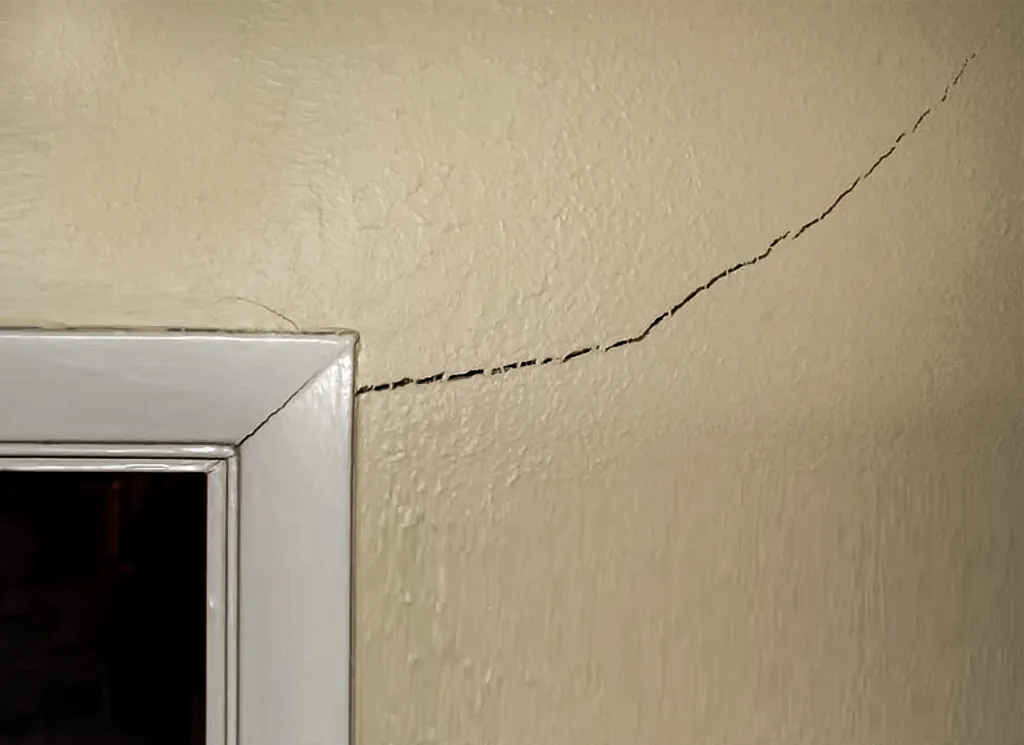
Many homes develop cracks in the interior walls around doors and windows. At first glance, these cracks may seem insignificant, but understanding the causes is crucial to prevent further damage and maintain the structural integrity of your home. This article covers the main causes of these cracks, their consequences, and practical repair methods.
Understanding Wall Cracks
When homeowners discover cracks around doors and windows, they often worry and think their home has severe damage. However, not all cracks indicate a major problem. Most cracks in interior walls are superficial and are caused by normal movement of the house, shrinkage of materials, or environmental factors. Walls expand and contract due to changes in temperature, humidity, and structural settlement. These changes are most likely to occur at the wall’s weakest points, such as near doors and windows. Determining whether a crack is superficial or structural helps in choosing the right repair solution.
Building Settlement: Its Role
All new-build homes experience settlement in the first few years after completion. This occurs when the foundation subsides under the weight of the building, causing the underlying soil to compact or shift. Door and window frames connect to the walls and form stress points. As a building subsides, tiny movements around the door and window frames can cause micro-cracks. These cracks are usually vertical or diagonal and easily visible in the corners around doors and windows. Subsidence cracks are usually harmless but can be unsightly. They can be repaired using common repair materials.
Thermal Expansion and Contraction
Building materials react differently to temperature fluctuations. Wood, plasterboard, and stucco expand when heated and contract when cooled. Doors and windows are often wood or metal, and their expansion rate can differ from that of the walls to which they are attached. Over time, cracks can develop around the edges of doors and windows due to repeated thermal expansion and contraction. This occurs particularly in areas with large seasonal temperature fluctuations. Controlling indoor temperature and humidity can minimize the formation of such cracks.
The Effects of Moisture and Humidity
Another common cause of cracks around windows and doors is water damage. Poorly sealed windows can lead to leaks, condensation, or excessive humidity, which can damage drywall and plaster and make them more susceptible to cracking. Materials expand when they absorb water and contract when they dry, creating tension in vulnerable areas. If you find cracks and the paint discolors or peels, or you see damp spots, moisture is likely the cause. By quickly fixing leaks and sealing or caulking properly, you can prevent further damage.
Incorrectly Installed Windows and Doors
Sometimes the problem lies in incorrectly installed windows or doors. A poorly secured or crooked frame can exert uneven pressure on the surrounding walls. It is this pressure that eventually leads to cracks in joints and corners. Professionals install windows and doors to ensure they are securely fastened and that the surrounding wall material is properly supported. Incorrect renovations or replacements can also cause new cracks around openings, especially in older homes.
Soil Subsidence and Structural Changes
Sometimes, cracks can indicate more serious structural problems. The foundation can shift due to soil erosion, insufficient compaction, or excessive load. This shift can manifest as wider, diagonal cracks around doors and windows. These cracks are often larger, extend through, and can even reach from the ceiling to the floor. If you notice cracks worsening over time, or if they are related to sticking doors or windows, it is advisable to have a structural engineer check the stability of your building.
Material Quality Is Crucial
The type and quality of materials used in walls and frames can influence crack formation. Lower-quality plasterboard, stucco, or joint filler are more prone to cracking over time or under tension. The use of high-quality, flexible materials helps reduce the visibility of cracks and extends the lifespan of the walls. Good surface treatments, such as thorough sanding, primer, and a topcoat, also help minimize shrinkage cracks around openings.
Practical Repair Methods
Small cracks can be repaired using simple methods. After drying, sand the crack smooth and then fill it with a flexible filler paste or mixture. The repair should look as if nothing has ever been repaired. If the cracks are caused by moisture, repair the source of the leak first. If the recurring cracks are due to structural movement, reinforce the joints around doors and windows with reinforcing tape or mesh before performing repairs. Regularly checking window seals and door frame alignment, for example, can reduce the likelihood of future cracks.
When to Call in Professional Help?
Not all cracks are safe. If the cracks are large, appear suddenly, or are growing larger, homeowners should have a professional inspection performed. A structural engineer or qualified contractor can assess whether the foundation, frame, or load-bearing walls are affected. Early detection can help you avoid costly repairs and ensure the safety of your home. Even if the problem is only superficial, expert advice can help you find sustainable solutions and choose the right materials.
Conclusion
Cracks around door and window frames are common, repairable problems in homes. These cracks are often caused by building settlement, thermal expansion and contraction, moisture, or stress during installation. Understanding the causes and taking practical steps, such as repairing small cracks, controlling humidity, and ensuring proper installation, can help homeowners maintain the aesthetics and structural health of their walls. By staying alert and consulting experts when necessary, you prevent small problems from becoming major issues over time.
Faqs
1. Are all cracks in windows dangerous?
No. Most cracks are merely visual and are caused by natural settling, thermal expansion and contraction, or shrinkage of the material. However, large, persistent, or increasingly large cracks can be a sign of structural problems.
2. How do I prevent cracks around windows?
Correct window installation, high-quality materials, indoor humidity control, and regular maintenance of sealant and weatherstrips can help reduce the formation of cracks.
3. What is the best way to repair minor wall cracks?
Clean, fill with flexible sealant or repair compound, sand smooth, and repaint. Recurring cracks can be reinforced with tape.
4. Can moisture cause cracks around doors and windows?
Yes. Leaks, moisture, and excessive humidity can damage wall components and cause cracks. The moisture problem must be addressed before repairs can be carried out.
5. When should I call in a professional?
If the cracks are large, growing larger, appearing suddenly, or obstructing the normal use of doors and windows, consult a structural engineer or contractor to check for problems with the foundation or structure.
6. Can temperature fluctuations cause cracks in walls?
Yes, objects expand and contract due to temperature fluctuations. This movement creates tension around doors and windows, which can lead to cracks over time.

Elena Rodriguez is a certified home inspector and DIY educator specializing in maintenance routines, home repairs, decor optimization, office setup, and smart device integration. She helps homeowners tackle projects with confidence using tools they already own. Her writing focuses on actionable steps for cleaning, fixing, arranging, and automating. Elena holds a degree in Construction Management and contributes to home improvement resources regularly.