
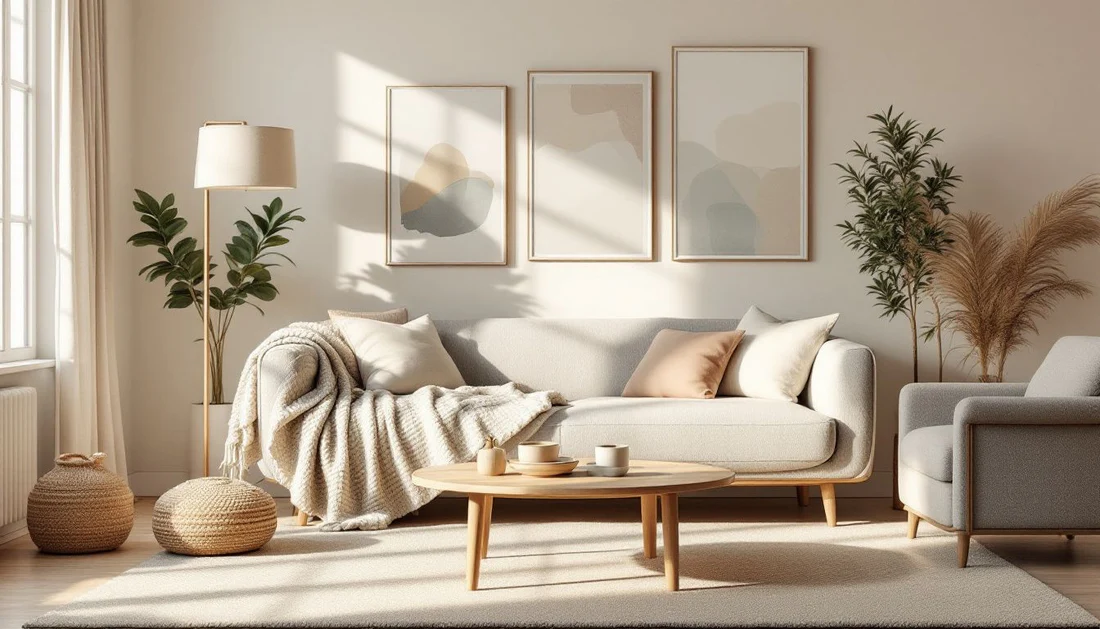
Some living rooms give you an immediate sense of warmth and comfort upon entry, and that is no coincidence—it often has nothing to do with ornate furniture. Usually, the key lies in the fabrics. A clever combination of different textile types, textures, and layers can transform a dull, unremarkable room into a warm, inviting, and atmospheric space. Layering textiles is not difficult, but it does require some thought. When done well, it adds tactile richness and visual depth; when done incorrectly, it can make a room look cluttered or out of place. This guide leads you step-by-step, starting with the floor, through the process of creating a harmonious, well-designed, and inviting living room.
The Science Behind Layering Textiles
The essence of layering textiles lies in skillfully blending different fabrics to add warmth, texture, and depth to a space. You can compare it to a stylist putting together outfits; every layer plays a role, but the end result is the most important. Textiles in a living room can consist of rugs, upholstered furniture, cushions, blankets, curtains, and more. They all play a role. Some are structurally solid, others soft and soothing, and still others serve purely to emphasize individuality. “When these elements come together, the room feels complete. Conversely, even the most refined individual pieces will look bland.”
Choosing Base Fabrics
Basic fabrics form the foundation of a room, and, like any good foundation, they must be sturdy, durable, and neutrally versatile. For most living rooms, this means sofa covers and rugs. These are the largest textile components and thus set the tone for all further decoration. For sofa covers, natural materials such as linen, cotton, or linen-cotton blends are usually the best choice. They are breathable, durable, and easy to combine. The most versatile colors are neutral shades, such as warm white, light gray, and earthy beige. For rugs, choose low-pile options with soft tones or subtle patterns to create a visual base without overpowering the decorative layers above.
Adding Mid-layers
Once the base fabrics have been applied, the mid-layers begin to add warmth and personality to the room. This is where larger cushion covers, curtains, and other items can be added. Next, the upholstered armchairs appear. Curtains are sometimes overlooked, but their impact on the atmosphere of a room can be significant. Curtains made of heavy fabrics such as velvet, wool, or thick linen can add warmth and height. At this level, cushion covers can have a lightly textured feel, such as loop pile, knit, or woven cotton. They contrast with the more casual sofa fabrics without appearing too complicated. The mid-layers are not intended to create a visual focal point—that comes later. They are there for comfort and layering.
Top Layers and Accents
“The top layer is the finishing touch that completes the room.” A blanket casually draped over the armrest of the sofa, a few decorative cushions, a woven footstool cover—all of this invites you to linger. The key to placing these blankets is thoughtfulness. The largest blanket, seemingly draped nonchalantly over the sofa, is actually carefully placed to add color or texture to a specific area. Decorative cushions should vary slightly in size and shape, rather than be identical, to create a natural, flowing look instead of a forced composition. You can also experiment boldly with different fabrics—embroidered embellishments, tassels, or even faux fur cushions—all of which can offer a rich tactile experience and make the entire space more harmonious and cohesive.
Texture and Pattern
One of the most common mistakes when combining textiles is using too much or too little. A room full of solid fabrics can appear monotonous, while a room full of fabrics with various patterns can feel cluttered. The best approach is to combine the two subtly, yet with a certain order. A simple solution is to choose a striking design, such as a cushion with a geometric pattern or a rug with an intricate design, and keep the rest of the decor simple. Texture becomes your second design tool. Conversely, a smooth velvet cushion combined with a thick knitted blanket creates visual disharmony. Ribbed cotton combined with linen is both intriguing and harmonious. Let texture take the lead and patterns provide the finishing touches.
Color Coordination and Overall Harmony
Color is essential for creating a layered space. Even if the individual pieces are equally beautiful, they will appear out of place without a harmonious color scheme. A good approach is to use a range of shades—three to four colors with a common base color. Warm tones tend towards terracotta, red, mustard yellow, and cream. You can also use cool tones, such as slate blue, sage green, anthracite grey, and white. Earth tones like sand, brown, taupe, and off-white are the most versatile and suitable for all seasons. The most important thing is not that all colors are exactly the same, but that they all match the same style.
Seasonal Textile Replacement
A major advantage of layering textiles is the ease with which they adapt to seasonal changes. Unlike furniture, textiles do not require a long-term investment and can be adjusted to the temperature. Use heavier fabrics in winter: wool scarves, velvet cushions, and thick curtains. In the warmer seasons, switch to lighter fabrics—cotton, linen, and breathable materials that are light and airy rather than heavy. By simply changing the cushion covers in your living room from dark to light, you easily create a seasonal atmosphere without major adjustments.
Layered Textile Maintenance
A living room with layered textiles requires careful maintenance to preserve its charm. The excellent news is that most fabrics are much easier to maintain than people think. Wash cushion covers and blankets regularly—check the washing instructions, but most cotton and linen fabrics can be machine-washed. Wool and velvet require more careful stain removal and regular professional cleaning. Rotate cushions and blankets regularly to prevent uneven wear. Vacuum regularly to prevent the fibers from becoming compressed, and have them professionally cleaned once or twice a year to significantly extend the lifespan of your furniture. By keeping textiles clean and well-maintained, your interior will continue to look fresh and new, rather than worn and tired.
Inspiration for the Living Room
For visual inspiration, consider these three popular styles: Scandinavian, Rustic Eclectic, and Maximalist. The Scandinavian style is characterized by natural materials and simple color palettes, such as cream-colored wool, light linen, and a single jute headboard. This creates a calm and refreshing atmosphere. The Rustic Eclectic style uses warm ochre colors, rustic tones, and natural textures such as rattan and cotton to create a refined bohemian ambiance. Maximalism combines patterns, vibrant colors, and experiments with unusual fabric combinations, such as velvet with brocade or checks with floral prints, for a dramatic and luxurious effect. These styles are inherently captivating. The ideal starting point is always creating a room that truly reflects your lifestyle.
The Art of Comfortable Living
When combining textiles, the focus is not on rules but on creating a truly comfortable and inviting environment. Start with a solid foundation, build up gradually, and pay attention to the relationship between textures and colors. Over time, you gradually learn which arrangements work, and it is this intuition that transforms a beautifully decorated space into a warm and inviting home.
FAQs
1. How many layers of fabric should a living room have?
Most living rooms with multiple layers of fabric contain three to four different layers. The base layer includes the sofa and backrests, the middle layer includes curtains and upholstered chairs, the top layer includes blankets and throw pillows, and there are a few accent fabrics. Unless the room is huge, more than four layers can look cluttered.
2. Which fabrics are most suitable for a comfortable living room?
Wool, velvet, chunky knits, and bouclé are all warm and cozy choices. Linen and cotton create a lighter, more relaxed atmosphere. By combining different fabric thicknesses, such as silky soft linen with robust wool, you create depth without the room looking cluttered.
3. How can you cleverly combine textiles without making the space look cluttered?
Choose a uniform color scheme of three to four shades, limit brightly colored items to one or two pieces, and focus on texture rather than prints. Combined spaces are carefully organized and not cluttered or haphazardly piled up.
4. Can you combine textiles in a small living room?
Yes. In a small space, pay attention to proportions. Choose medium-sized rugs instead of oversized ones; choose two or three cushions instead of a whole lot. Light-colored fabrics in neutral tones can add warmth and texture while maintaining a sense of spaciousness.
5. How often should you replace the textiles in your living room?
Twice a year, around spring and autumn, to keep the living room fresh. Additionally, replace damaged or discolored textiles if necessary. With proper care, textiles do not need to be replaced often.

Elena Rodriguez is a certified home inspector and DIY educator specializing in maintenance routines, home repairs, decor optimization, office setup, and smart device integration. She helps homeowners tackle projects with confidence using tools they already own. Her writing focuses on actionable steps for cleaning, fixing, arranging, and automating. Elena holds a degree in Construction Management and contributes to home improvement resources regularly.