
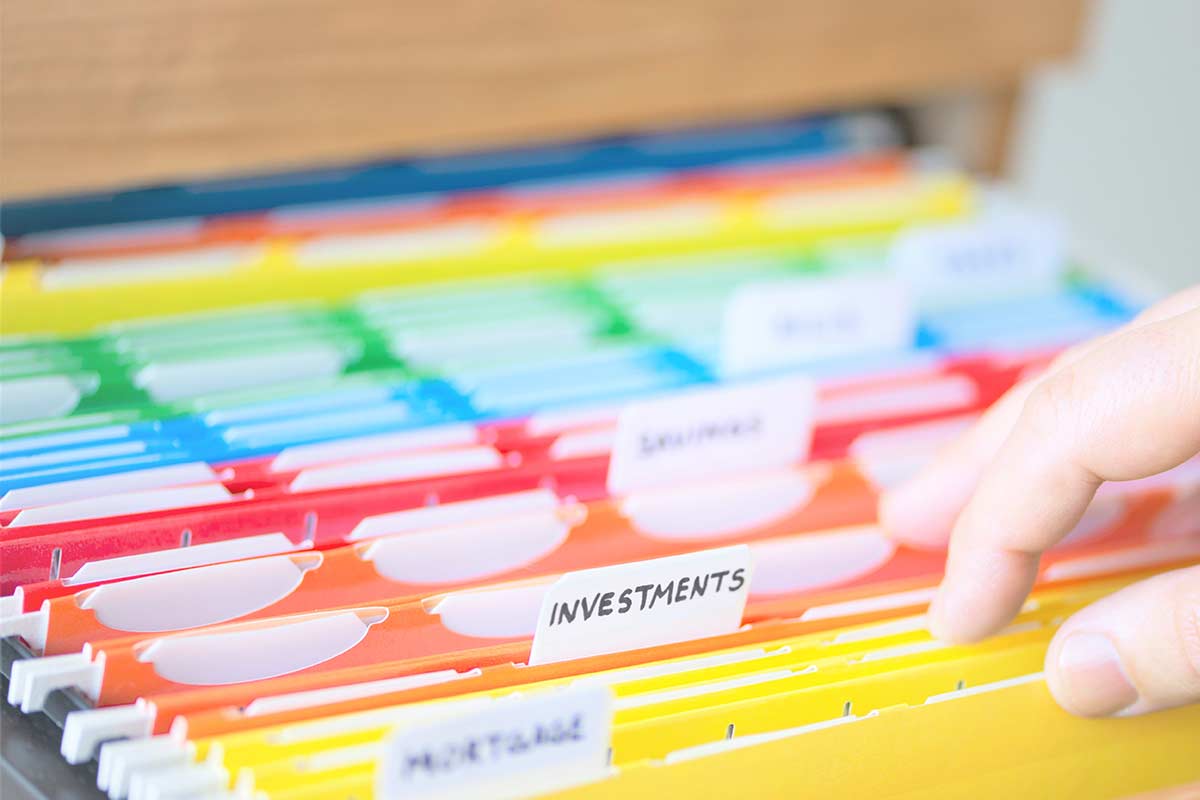
Three years ago, Sarah’s home office was a disaster. Tax returns from 2019 sat in a shoebox under her desk. Receipts for business expenses were stuffed in a kitchen drawer alongside takeout menus and rubber bands. When her accountant asked for last year’s mileage log, she spent two hours tearing through piles, eventually finding it crumpled inside a grocery bag in the closet. She did not need a filing cabinet. She needed a system that matched the reality of a small apartment with no space for office furniture.
Most people assume paper storage requires a metal filing cabinet, hanging folders, and alphabetized tabs. That assumption keeps thousands of home offices disorganized because the cabinet never fits, never gets bought, or becomes a dumping ground for everything except what you actually need. The truth is that paper organization works best when the storage method matches your space, your habits, and the volume of paper you actually handle—not the volume you imagine a “real office” should have.
Why Filing Cabinets Fail in Home Offices
Filing cabinets are designed for corporate environments with dedicated office space, maintenance staff, and a culture of document retention. In a home office, they become oversized, underutilized monuments that occupy prime real estate. The drawers stick. The hanging folders slide off their rails. And because the cabinet is too bulky to place near your actual workspace, papers accumulate on the desk for weeks before anyone walks across the room to file them.
The average home office generates far less paper than a corporate desk. Most documents are digital now. The physical papers that remain fall into a few clear categories: tax records, insurance documents, warranties, medical records, and receipts for major purchases. You do not need a four-drawer cabinet for this. You need a system that keeps these documents accessible, protected, and easy to maintain without requiring a dedicated piece of furniture.
Method 1: The Binder System
Binders are the most underrated paper storage tool for home offices. They sit upright on a shelf, take up minimal space, and allow you to flip directly to any document without opening drawers or sliding folders. A standard 2-inch binder holds approximately 400 sheets—enough for a full year of household paperwork.
The key is organizing by category, not by date. Create one binder for taxes, one for insurance and medical, one for warranties and manuals, and one for receipts. Use tab dividers with pockets for small items like insurance cards or product registration slips. Label the spine clearly so you can grab the right binder without thinking.
Store the binders on a shelf within arm’s reach of your desk. If shelf space is limited, a vertical magazine holder on your desk keeps the current year’s binders accessible while older years move to closet storage. The physical act of moving a binder from desk to shelf signals that the documents inside are no longer active, which prevents the accumulation of outdated papers in your daily workspace.
The Binder Rule
If a document does not fit in a standard three-hole punch, it does not belong in the binder. Scan it, fold it to fit, or store it separately. Oversized items destroy binder organization because they force other papers out of alignment and make the binder impossible to close properly.
Method 2: Document Boxes and Archive Containers
For papers that you rarely access but must keep—old tax returns, property deeds, and birth certificates—a document box is more practical than a filing cabinet. These boxes are designed to hold letter-size files, stack neatly in closets, and cost a fraction of a metal cabinet. A single banker’s box holds the equivalent of two filing cabinet drawers and slides onto the top shelf of any closet.
The critical detail is labeling. Write the date range and category on the front and side of every box before you seal it. “Taxes 2020-2023” is useful. “Miscellaneous” is a future headache. Store boxes chronologically with the most recent at the front, and review the contents annually. Most tax documents can be shredded after seven years. Most warranties expire after two. A box that never gets opened is a box that should probably be emptied.
Method 3: Wall-Mounted and Vertical Solutions
When floor and desk space are limited, walls become your filing system. Wall-mounted file holders, magazine racks, and pocket organizers keep active documents visible and accessible without consuming horizontal surfaces. A simple wire rack with three slots labeled “Action Required,” “File,” and “Read” turns paper management into a visual workflow.
Over-the-door organizers designed for shoes work surprisingly well for paper storage. The clear pockets let you see contents at a glance, and the vertical orientation prevents the pile-up that happens with horizontal stacks. Hang one on the back of your office door for active documents and another in a closet for archived materials. The door you already have becomes the filing cabinet you do not need to buy.
Cork boards and magnetic boards serve a different purpose: they hold papers you need to see, not documents you need to store. Current project notes, pending invoices, and reference materials that you consult daily belong on the wall. Once the project ends or the invoice is paid, the paper comes down and moves to a binder or box. The wall is for active work, not permanent storage.
Method 4: Digital-First with Selective Physical Backup
The most effective paper storage system is the one that prevents paper from accumulating in the first place. Scanning documents as they arrive and storing them in cloud-based folders eliminates 80% of physical storage needs. But scanning creates its own organization challenge if you do not establish a clear folder structure from the start.
Create a folder hierarchy that mirrors your binder categories: Taxes, Insurance, Medical, Warranties, Receipts. Within each folder, use subfolders by year. Name files descriptively: “2025_Tax_W2_AcmeCorp.pdf,” not “document1.pdf.” This naming convention makes documents searchable and eliminates the need to open files to identify them.
For the 20% of documents that must remain physical—original signed contracts, notarized papers, and certificates—a single fireproof document box provides better protection than any filing cabinet. These boxes are compact, waterproof, and designed to protect against house fires. Store the box in a location you can grab quickly in an emergency, and keep a digital backup of the contents stored separately in the cloud.
The 90-Day Scan Rule
If you have not touched a physical document in 90 days, scan it and shred the original. The exceptions are legal documents, tax records for the current year, and anything with an original signature. Everything else—utility bills, bank statements, routine correspondence—exists in digital form already. The paper copy is redundancy, not security.
Method 5: Portable and Collapsible Systems
For home offices that share space with dining rooms or living areas, portability is essential. A rolling file cart with hanging folders can be wheeled into a closet at the end of the workday. An accordion file with 12 or 24 pockets expands to hold a year’s worth of documents and collapses to the size of a large book when empty. A fabric file tote with handles moves from desk to shelf to closet without requiring a permanent footprint.
These portable systems work best when combined with a strict “end of day” routine. Ten minutes before you finish working, sort any accumulated papers into their designated pockets or folders. If a document does not have a clear category, create a “Miscellaneous” pocket but commit to reviewing it monthly. Miscellaneous that grows beyond ten items is a sign that your categories need adjustment.
Choosing the Right System for Your Paper Volume
The best storage method depends on how much paper you actually handle. Here is a simple decision framework:
| Paper Volume | Best Storage Method | Estimated Cost |
|---|---|---|
| Light (under 200 sheets/year) | 2-3 binders on a shelf; scan everything else | $15-25 |
| Medium (200-500 sheets/year) | Document boxes for archive; wall pockets for active | $30-50 |
| Heavy (500+ sheets/year) | Rolling file cart + binders + annual digitization | $75-100 |
| Minimal (mostly digital) | Single fireproof box for originals; cloud for everything else | $40-60 |
Maintaining the System
Every paper storage system fails without maintenance. Set a recurring calendar reminder for the first Saturday of each month. Spend 30 minutes sorting accumulated papers, scanning what can be digitized, and shredding what is no longer needed. If your system is working correctly, this session should get shorter each month as you develop the habit of handling paper immediately instead of letting it pile up.
Annual review is equally important. January is ideal—before tax season begins. Pull out last year’s documents, confirm what needs to be retained for tax purposes, and move everything else to archive or shredding. A system that grows without pruning eventually collapses under its own weight. The goal is not to keep everything. It is to keep exactly what you need, exactly where you can find it, with nothing extra cluttering the path.
The Real Test
Your paper storage system is working when you can find any document in under 60 seconds without getting up from your chair. If you have to search through three locations, move furniture, or call someone to ask where they put it, the system has failed and needs redesign. Start with one method from this guide, commit to it for 30 days, and adjust based on what actually happens—not what you imagine should happen.
Related Articles
- Why Desk Height Causes Wrist Pain During Long Calls
- How to Position a Monitor to Stop Daily Neck Strain
- Background Noise Ruins Video Calls and This Helps
- Simple Guide to Creating a Focus Zone in a Shared Home
- Why Cheap Chairs Hurt Your Posture More Than You Think
- How to Set Boundaries When Family Shares Your Workspace
- Common Reasons Video Lighting Looks Unprofessional at Home
Sources and References
- Good Housekeeping. “Best Paper Organizers for Your Home Office.” 2025. https://www.goodhousekeeping.com/home/organizing/g4567/best-paper-organizers/
- Organized 31. “How to Organize Papers Without a Filing Cabinet.” 2025. https://organized31.com/organize-papers-without-filing-cabinet/
- The Spruce. “Best Paper Organizers for Your Home Office.” 2025. https://www.thespruce.com/best-paper-organizers-4163829
- Real Simple. “How to Organize Paperwork at Home.” 2025. https://www.realsimple.com/home-organizing/organizing/how-to-organize-paperwork

Elena Rodriguez is a certified home inspector and DIY educator specializing in maintenance routines, home repairs, decor optimization, office setup, and smart device integration. She helps homeowners tackle projects with confidence using tools they already own. Her writing focuses on actionable steps for cleaning, fixing, arranging, and automating. Elena holds a degree in Construction Management and contributes to home improvement resources regularly.