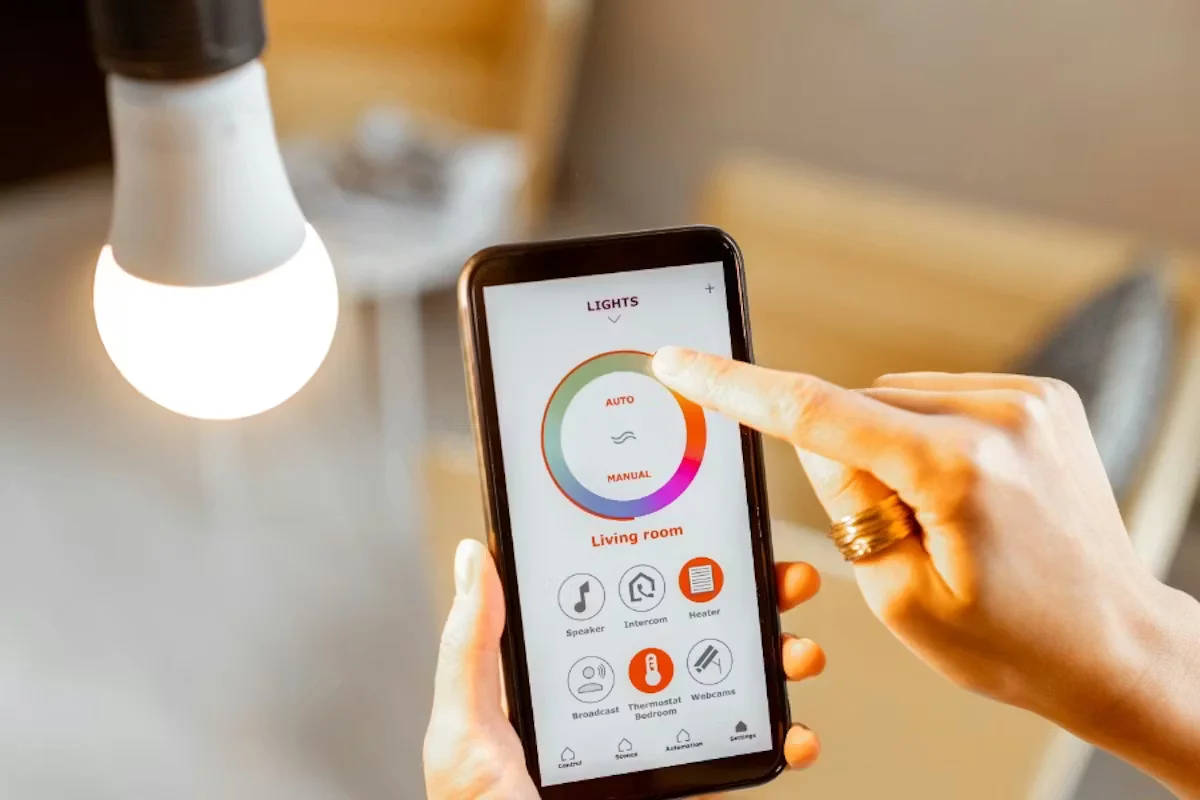
The key is understanding which smart lighting features genuinely contribute to lower electricity consumption and which are primarily designed for convenience. Choosing the right products can help reduce wasted energy, improve daily comfort, and simplify lighting management throughout your home.
Why Traditional Lighting Often Wastes Energy
Many households waste electricity through simple habits rather than inefficient bulbs alone. Lights remain on in empty rooms, outdoor fixtures stay illuminated all night, and family members frequently forget to switch lights off when leaving the house.
Even homes that have already switched to LED bulbs can experience unnecessary energy consumption if lighting is used inefficiently. This is where smart lighting systems can provide real value. Their ability to automate operation helps reduce human error, which is often the largest source of lighting-related energy waste.
Before shopping for smart lights, it helps to understand that the goal is not simply buying connected bulbs. The goal is creating a lighting system that uses electricity only when it is actually needed.
Start with LED Technology First
If you’re still using incandescent or halogen bulbs, upgrading to LED lighting should be the first priority. LEDs consume significantly less electricity while providing similar or better brightness.
Many homeowners mistakenly focus on smart features while overlooking bulb efficiency. A smart bulb that uses unnecessary power throughout the day will not save as much money as an efficient LED combined with thoughtful automation.
Fortunately, nearly all modern smart bulbs use LED technology, making them inherently more efficient than older lighting options. However, energy consumption can still vary between models, making it worth comparing specifications before purchasing.
Look Beyond Marketing Claims
Smart lighting manufacturers often highlight convenience features such as voice control, color-changing effects, and smartphone integration. While these features can be enjoyable, they do not necessarily contribute to lower energy bills.
When evaluating products, focus on practical functions that directly influence electricity usage. Scheduling capabilities, occupancy detection, daylight sensing, and energy monitoring tools typically offer greater financial benefits than decorative features.
Some homeowners invest heavily in premium lighting systems packed with entertainment-oriented functions but rarely use the automation tools that actually reduce energy consumption. The smartest purchase is often the product that solves a specific lighting problem rather than the one with the longest feature list.
Pay Attention to Brightness, Not Just Wattage
Many people still compare bulbs using wattage, but brightness is measured in lumens. Since LEDs consume much less power than traditional bulbs, wattage alone no longer provides a reliable comparison.
Choosing bulbs with excessive brightness can increase electricity use without improving comfort. On the other hand, bulbs that are too dim may lead homeowners to install additional fixtures or use multiple lights simultaneously.
The most cost-effective approach is selecting brightness levels appropriate for each room. Bedrooms, hallways, and living spaces generally require different lighting intensities than kitchens, workshops, or home offices.
| Room Type | Typical Brightness Range |
|---|---|
| Bedroom | 800–1,600 lumens |
| Living Room | 1,500–3,000 lumens |
| Kitchen | 3,000–6,000 lumens |
| Home Office | 2,000–4,000 lumens |
Scheduling Is One of the Most Valuable Features
One of the easiest ways smart lighting saves money is through automated schedules. Instead of relying on memory, lights can turn on and off automatically based on daily routines.
For example, outdoor lights can activate after sunset and switch off before sunrise. Interior lights can automatically turn off during work hours when nobody is home. Evening schedules can gradually reduce lighting in less-used rooms, preventing unnecessary energy consumption.
Scheduling is especially effective because it operates consistently without requiring daily adjustments. Over the course of a year, even small reductions in operating hours can translate into noticeable electricity savings.
Motion Sensors Can Deliver Bigger Savings Than Smart Bulbs Alone
Many homeowners focus exclusively on smart bulbs while overlooking occupancy controls. Motion sensors can significantly reduce wasted lighting by ensuring lights operate only when spaces are actively being used.
Areas such as hallways, bathrooms, garages, laundry rooms, and storage spaces often benefit the most from occupancy-based automation. These locations frequently experience lights being left on unintentionally.
When paired with efficient LED lighting, motion detection systems can dramatically reduce operating hours without sacrificing convenience.
Consider Smart Switches Instead of Replacing Every Bulb
Replacing dozens of bulbs throughout a home can become expensive. In some situations, smart switches provide a more economical solution.
A smart switch controls entire lighting circuits, allowing multiple fixtures to be automated through a single device. This approach can reduce upfront costs while still delivering scheduling and remote-control capabilities.
For households with numerous recessed lights, chandeliers, or multi-bulb fixtures, smart switches may provide a better return on investment than purchasing individual smart bulbs for every socket.
Watch for Standby Energy Consumption
Smart devices require small amounts of electricity even when lights are turned off. This standby power supports wireless connectivity and communication with apps or automation systems.
Although standby consumption is generally low, it is worth comparing products when purchasing large quantities. High-quality manufacturers often publish power consumption specifications, including both active and standby usage.
The difference may appear minor for a single bulb, but it can become more relevant when dozens of connected devices are installed throughout a home.
Choose Systems That Are Easy to Use
The most efficient smart lighting system is the one people actually use correctly. Complex apps, confusing interfaces, and unreliable automations often lead homeowners to disable energy-saving features altogether.
When selecting a smart lighting platform, consider how easily schedules can be created, modified, and maintained. Simplicity encourages long-term use and helps ensure that automation continues delivering savings over time.
A straightforward system that reliably turns lights off when needed often provides greater value than a sophisticated platform with dozens of advanced features that remain unused.
Don’t Ignore Outdoor Lighting
Outdoor lighting can represent a surprisingly large portion of household electricity consumption, especially when fixtures remain illuminated throughout the night.
Smart controls can automatically adjust outdoor lighting based on sunset, sunrise, occupancy, or customized schedules. This reduces unnecessary operation while maintaining security and visibility when needed.
Homeowners often discover that optimizing outdoor lighting schedules produces some of the fastest energy savings from a smart lighting investment.
How Long Does It Take to Recover the Cost?
The payback period varies depending on electricity rates, usage habits, and the products selected. Homes with many lights left on unnecessarily often experience faster savings because automation immediately reduces wasted energy.
In contrast, households that already practice efficient lighting habits may see smaller direct financial returns. In these cases, convenience, security, and comfort may become equally important benefits.
Rather than expecting dramatic reductions in electricity bills, it is more realistic to view smart lighting as a tool that helps optimize energy use while providing additional functionality.
Conclusion
Choosing smart lights that actually save money requires looking beyond flashy features and focusing on practical energy-saving functions. Efficient LED technology, scheduling, occupancy sensing, smart switches, and thoughtful automation typically provide the greatest value.
Instead of replacing every light fixture immediately, start by identifying areas where lights are frequently left on or operate longer than necessary. By targeting these opportunities first, homeowners can create a smart lighting system that improves convenience while delivering meaningful long-term savings.
Frequently Asked Questions
Do smart bulbs use electricity when turned off?
Yes. Most smart bulbs consume a small amount of standby power to maintain network connectivity and respond to commands.
Are smart switches more cost-effective than smart bulbs?
In homes with many fixtures on the same circuit, smart switches can often provide automation at a lower overall cost.
Can smart lights significantly lower electricity bills?
The biggest savings usually come from reducing unnecessary lighting usage through schedules and occupancy controls rather than from the bulbs alone.
Do I need a smart home hub?
Many modern smart lights work without a dedicated hub, although some advanced ecosystems still use hubs for expanded functionality and reliability.
Sources & References
- U.S. Department of Energy – Energy Saver Program
- ENERGY STAR Lighting Guidance
- National Renewable Energy Laboratory (NREL)
- Lighting Research Center (LRC)
- Major smart lighting manufacturer technical documentation and energy specifications
Related Articles

Elena Rodriguez is a certified home inspector and DIY educator specializing in maintenance routines, home repairs, decor optimization, office setup, and smart device integration. She helps homeowners tackle projects with confidence using tools they already own. Her writing focuses on actionable steps for cleaning, fixing, arranging, and automating. Elena holds a degree in Construction Management and contributes to home improvement resources regularly.