
The washing machine in your laundry room is probably the most underappreciated appliance you own. It runs four to five times a week, processes everything from delicate blouses to muddy jeans, and never complains. Yet most people treat it like a utility — turn it on, load it up, forget it exists until it breaks. The average washing machine lasts 10 to 15 years, but with proper care, high-end models can approach 20 years. The difference between a decade of reliable service and an early replacement is not luck. It is a handful of habits that most people never develop.
Manufacturers test premium machines to the equivalent of 20 years of average use, but cheaper models often fail in 5 to 10 years. The gap is not just build quality. It is maintenance. A machine that is overloaded, unbalanced, and never cleaned will die young regardless of what you paid for it. The good news is that the habits that extend lifespan are simple, free, and take less time than a single load of laundry.
Habit 1: Load It Right, Not Full
Overloading is the single most common cause of premature washing machine death. It is also the most tempting mistake because everyone wants to finish laundry faster. Stuffing the drum to the brim seems efficient. It is actually destructive.
When you overload, the clothes cannot tumble freely. They pack into a solid mass that the drum struggles to rotate. The motor draws more current. The bearings absorb uneven force. The suspension system works overtime to control vibration. Over time, this stress warps the drum, burns out the motor, and cracks the bearings. A machine that should last 15 years fails in 7 because it spent half its life fighting against immovable loads.
The rule is simple: fill the drum to about three-quarters capacity. The clothes should have room to move, fall, and circulate in the water. If you cannot fit your hand vertically between the top of the load and the drum rim, you have too much in there. For a standard top-loader, this means about 6 to 8 bath towels. For a front-loader, the weight limit in your manual is the hard ceiling — not a suggestion.
Underloading is equally problematic. A half-empty drum spins off-balance, causing the same vibration and bearing stress as an overloaded one. The machine uses the same amount of water and energy regardless of load size, so you are wearing out the machine while wasting resources. Wait until you have a full load, or use the machine’s half-load setting if it has one.
Habit 2: Use the Right Detergent in the Right Amount
Modern washing machines use significantly less water than older models. This efficiency is only possible because the detergent chemistry has evolved alongside the hardware. Using regular detergent in a high-efficiency washer creates a foam party that the machine cannot rinse away. The excess suds strain the pump, clog the pressure sensor, and leave residue on clothes that attracts dirt and odors.
High-efficiency detergent is labeled HE for a reason. It is formulated to produce minimal suds while still cleaning effectively in low-water environments. If your washer is HE, HE detergent is not optional. It is a requirement. Using the wrong detergent voids warranties, damages sensors, and eventually causes the machine to malfunction in ways that mimic mechanical failure.
Amount matters too. More detergent does not mean cleaner clothes. It means more residue. The water in your machine can only carry away a finite amount of detergent. Excess sticks to the drum, the gasket, and the dispenser, creating a sticky film that traps dirt, breeds mold, and makes clothes feel stiff or slimy after washing.
Signs you are using too much detergent include clothes that feel stiff or sticky, colors that look dull, whites that turn gray, and a machine that smells sour even when empty. If you see these symptoms, cut your detergent amount in half and observe the difference. Most people use twice as much as necessary.
The Detergent Rule
If you can see suds through the door during the wash cycle, you are using too much detergent. Modern machines should produce minimal visible foam. The cleaning happens through chemical action and mechanical tumbling, not through bubbles. Cut back until the water looks nearly clear during operation.
Habit 3: Keep the Machine Level
An unlevel washing machine is a disaster waiting to happen. During the spin cycle, an uneven machine rocks, vibrates, and walks across the floor. The internal drum bangs against the housing. The suspension system absorbs forces it was not designed for. The bearings wear unevenly. And the noise drives everyone in the house insane.
Leveling is easy. Place a bubble level on top of the machine front-to-back and side-to-side. Adjust the feet by turning them clockwise to raise and counterclockwise to lower. Most machines have lock nuts on the feet that you tighten against the base once the level is correct. If your floor is severely uneven, place rubber anti-vibration pads under the feet. These pads absorb vibration and prevent the machine from migrating across the laundry room during spin cycles.
Check the level every six months. Floors settle. Feet loosen. A machine that was perfectly level last year may be tilting today. The two minutes it takes to check can prevent hundreds of dollars in bearing and suspension repairs.
Habit 4: Empty the Machine Promptly
Leaving wet clothes in the drum for hours after the cycle finishes is a habit that destroys machines and laundry simultaneously. The damp environment breeds mold and mildew on the gasket, the drum, and the dispenser. The odor transfers to subsequent loads. And the weight of the wet clothes sitting on one side of the drum can warp the bearings over time.
Set a timer on your phone when you start a load. When it finishes, transfer clothes to the dryer immediately. If you cannot dry them right away, at least remove them from the washer and leave the door open. The open door allows air to circulate and dry the interior, preventing the moisture buildup that feeds mold colonies.
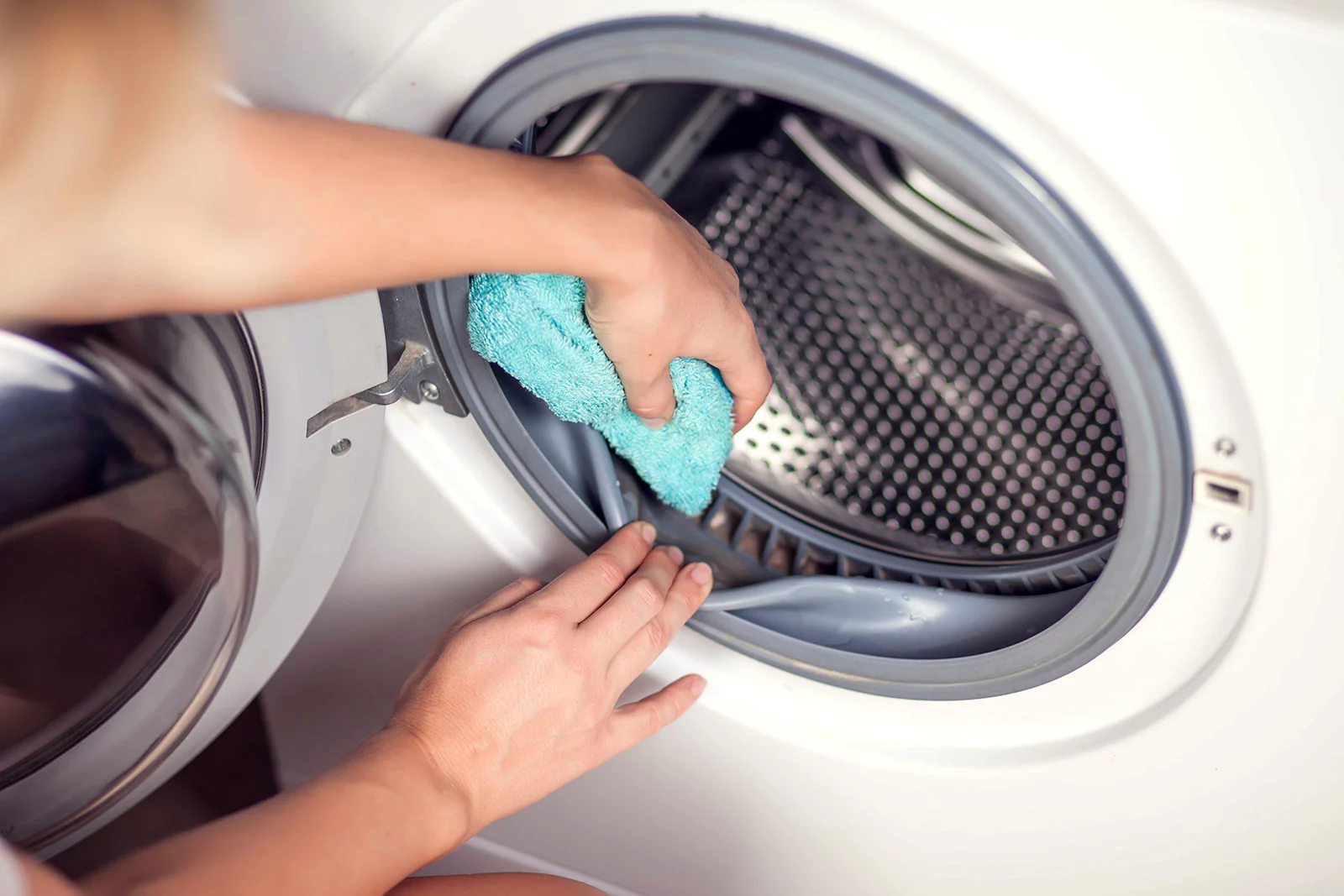
For front-loaders, this habit is especially critical. The rubber gasket that seals the door is a perfect mold habitat — it has folds that trap water, detergent residue, and lint. Wipe the gasket with a dry cloth after each load, pull back the folds to expose hidden moisture, and leave the door ajar between uses. These three actions eliminate 90% of front-loader mold problems.
Habit 5: Clean the Machine That Cleans Your Clothes
A washing machine that is never cleaned eventually smells bad, cleans poorly, and becomes a health hazard. Detergent residue, fabric softener film, body oils, and mineral deposits accumulate in hidden areas that standard wash cycles do not reach. The result is a machine that redeposits grime onto your clothes instead of removing it.
Run a hot water cleaning cycle once a month. No clothes. No detergent. Add two cups of white vinegar to the drum and let the machine run its hottest, longest cycle. The vinegar dissolves mineral deposits, breaks down soap scum, and kills odor-causing bacteria. Follow with a second cycle using half a cup of baking soda to neutralize any remaining vinegar smell and scrub the drum interior.
Clean the detergent dispenser drawer monthly. Remove it completely, soak in hot water, and scrub with a toothbrush to clear residue from the small channels. Dry thoroughly before reinserting. A clogged dispenser does not distribute detergent evenly, which leads to both poor cleaning and excess buildup in the drum.
Check the lint filter if your machine has one. Most front-loaders have a small access panel near the base that hides a coin trap or lint filter. Open it, remove debris, and rinse the filter under hot water. A clogged filter restricts drainage, which causes standing water, which causes mold, which causes the musty smell that makes you think your machine is broken.
Habit 6: Check the Hoses Before They Check You
Water supply hoses are the forgotten vulnerability of every washing machine. They sit behind the unit, under constant pressure, slowly deteriorating from the inside out. Rubber hoses last about 3 to 5 years before the risk of catastrophic failure becomes significant. A burst hose at 3 AM can flood your laundry room, seep into subflooring, and cause thousands of dollars in water damage before you wake up.
Inspect hoses every six months. Look for cracks, bulges, fraying, or moisture at the connection points. Turn off the water supply, disconnect the hoses, and check inside for mineral buildup or corrosion. If the hoses are rubber, replace them with braided stainless steel lines. Steel hoses cost more upfront but last indefinitely and resist the pressure surges that destroy rubber.
Install a water shutoff valve with an automatic leak detector if your budget allows. These devices sense abnormal water flow and shut off the supply before a minor leak becomes a major flood. The cost is $100 to $200. The peace of mind is worth significantly more.
The Annual Maintenance Calendar
- Monthly: Vinegar cleaning cycle, dispenser drawer cleaning, gasket wipe-down
- Quarterly: Lint filter check, level verification, exterior cleaning
- Every 6 months: Hose inspection, deep drum scrub, water inlet filter cleaning
- Annually: Professional inspection if machine is over 5 years old, hose replacement if rubber
When to Call a Technician
Some symptoms indicate problems beyond what maintenance can fix. Know when to stop troubleshooting and start calling.
- Persistent leaks after hose replacement suggest a cracked drum, damaged door seal, or failing water pump.
- Loud banging during spin cycles that leveling does not fix indicates worn bearings or broken suspension rods.
- Water not draining despite a clean filter points to a failed drain pump or blocked internal hose.
- Electrical burning smell is an emergency. Unplug the machine immediately and call a professional. This indicates motor or wiring failure that could cause a fire.
- Machine stops mid-cycle repeatedly may be a faulty control board, lid switch, or pressure sensor — all requiring professional diagnosis.
Do not ignore strange noises. Squeaking, grinding, or thumping during operation is the machine telling you something is wrong. Addressing a $50 belt replacement today prevents a $500 motor replacement next year. The technician’s diagnostic fee is cheaper than the emergency repair that follows neglect.
The Long View
A washing machine is a long-term investment that rewards patience and attention. The habits that extend its life are not dramatic. They are mundane: loading correctly, using the right detergent, keeping it level, emptying promptly, cleaning monthly, and checking hoses twice a year. None of these tasks take more than 15 minutes. Together, they add years to your machine’s service life and prevent the inconvenient, expensive failures that happen when maintenance is ignored.
The machine that runs four times a week for 15 years performs 3,120 cycles. The machine that fails in 7 years performs 1,456. The difference is 1,664 loads of laundry you did not have to haul to a laundromat, 1,664 trips you did not have to make, and one major appliance purchase you did not have to fund prematurely. That is the return on 15 minutes of attention per month. The math is simple. The habit is everything.
Related Articles
- Why Grout Darkens Even After Regular Mopping
- How to Clean Gutters Safely Without a Tall Ladder
- Refrigerator Coils Collect Dust and Raise Your Bill
- Easy Ways to Remove Hard Water Marks From Glass
- Why Garbage Disposals Smell and How to Freshen Them
- How to Clean Air Vents Without Spreading Dust Around
- Common Reasons Laundry Feels Damp After Drying Fully
Sources and References
- Omega Force Appliance Repair. “A Simple Guide to Extend the Life of Your Washer and Dryer.” December 4, 2025. https://omegaforceappliancerepair.com/washer-repair/a-simple-guide-to-extend-the-life-of-your-washer-and-dryer/
- TCL. “8 Ways To Extend The Lifespan Of Your Washing Machine.” January 16, 2025. https://www.tcl.com/gulf/en/blogs/tips/8-ways-to-extend-the-lifespan-of-your-washing-machine
- Consumer Reports. “How to Minimize Mold in Your Washing Machine.” April 3, 2020. https://www.consumerreports.org/appliances/washing-machines/how-to-minimize-mold-in-your-washing-machine-a6065828553/
- Domestic & General. “How to Extend the Lifespan of Your Washing Machine.” February 13, 2023. https://www.domesticandgeneral.com/blog/washing-machine-tips/how-to-extend-the-lifetime-of-your-washing-machine
- Denver Appliance Repair. “Washing Machine Maintenance: Secrets of A Long-Lasting Washer.” January 26, 2024. https://denver-appliance.repair/blog/washing-machine-maintenance-secrets-of-a-long-lasting-washe/
- Jessup’s Appliances. “How to Extend the Life of Your Washer and Dryer.” December 12, 2025. https://www.jessupsappliances.com/blog/extend-life-of-your-washer-and-dryer
- 1-800 Water Damage. “How to Clean Mold from a Washing Machine & Keep It Clean.” March 30, 2023. https://www.1800waterdamage.com/how-to-clean-mold-from-washing-machine/
- Mold Guys. “How to Remove Mold from Washing Machine and Stop It from Returning.” March 4, 2026. https://moldguys.us/how-to-remove-mold-from-washing-machine-and-stop-it-from-returning/
- Mr. Appliance. “How to Clean Front-Load Washer Mold.” December 30, 2025. https://www.mrappliance.com/blog/how-to-clean-front-load-washer-mold/
- Jim and Dave’s Appliance. “4 Tips for Prolonging the Lifespan of Your Washing Machine.” 2025. https://www.jimanddaves.com/blog/4-tips-for-prolonging-the-lifespan-of-your-washing-machine

Elena Rodriguez is a certified home inspector and DIY educator specializing in maintenance routines, home repairs, decor optimization, office setup, and smart device integration. She helps homeowners tackle projects with confidence using tools they already own. Her writing focuses on actionable steps for cleaning, fixing, arranging, and automating. Elena holds a degree in Construction Management and contributes to home improvement resources regularly.